How to Use Texture and Pattern to Create a Stylish and inviting Space

Barbara Barry Interior Design - Photo from www.barbarabarry.com
Texture and pattern are two essential interior design elements that can add depth, dimension, and visual interest to any space. When used effectively, texture and pattern can create a sense of warmth, comfort, and style.
Let us explore what textures and patterns are relative to interior design.
Textures
Texture is the way something feels when you touch it. In interior design, texture refers to how the surfaces of furniture, fabrics, and other materials feel to the touch. Texture can be smooth, rough, soft, hard, or anything in between. Texture can add depth, create balance, and add visual weight to your space.

This kitchen design has many textures that stand out
This kitchen has many textures: the steel gas range, the weathered rustic appearance of the copper pendant lighting, the natural woven counter chairs, and the wooden range hood.
Patterns
Pattern is a repeated design or arrangement of shapes, lines, or colors. In interior design, patterns can create visual interest and add a sense of rhythm and movement to a space. Patterns can be geometric, organic, or abstract. In commercial and residential interior design, pattern is often applied using wallcoverings, tile, carpeting, and other graphic elements.

3D Walnut Wall panel for a new Tech Center
This is an accent wall that was installed for a new technology center. It is placed in the entranceway to create a more dramatic look. Below the 3D wood panels, there is lighting to help it stand out further.
Tips for using texture and pattern effectively in your space
Here are a few tips for using texture and pattern effectively in your interior design project:
Start with a neutral base. A neutral base will provide a blank canvas to add texture and pattern. For example, you could paint your walls a neutral color or use a neutral-colored rug.
Add a few key pieces with texture and pattern. Once you have a neutral base, add a few key pieces with texture and pattern. This will help to create a focal point in the room.
Be mindful of the scale of the texture and pattern. The scale of the texture and pattern should be appropriate for the size of the space. For example, a large-scale pattern would be overwhelming in a small room, while a small-scale pattern could get lost in a large room.
Don't overdo it. Too much texture and pattern can be overwhelming and make a space look cluttered. Using texture and pattern sparingly is better to create a visually pleasing and balanced space.
There are many ways to add texture and pattern to your interior design project. Here are just a few ideas:
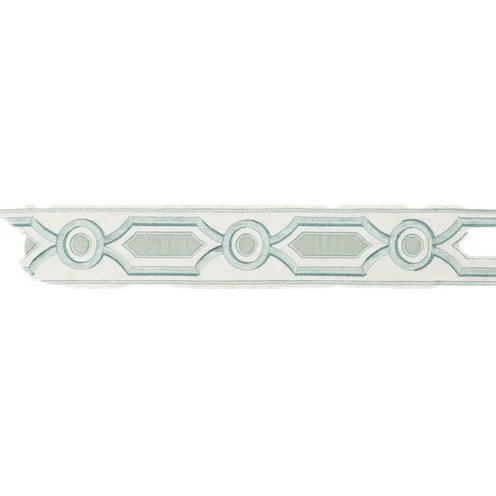
Use different fabrics The fabrics you choose for your furniture, curtains, and other textiles can make a big difference in the overall feel of a room. For example, a velvet sofa will add a touch of luxury, while a linen sofa will create a more relaxed and casual atmosphere.

Silk

Linen
Add textured accessories. You can use various textured accessories to add interest to your home, such as throw pillows, blankets, rugs, and artwork. For example, a throw pillow with a textured surface can add visual interest to a sofa or chair, while a rug with a bold pattern can help to define a space.


Designers Guild Velvet Pillow

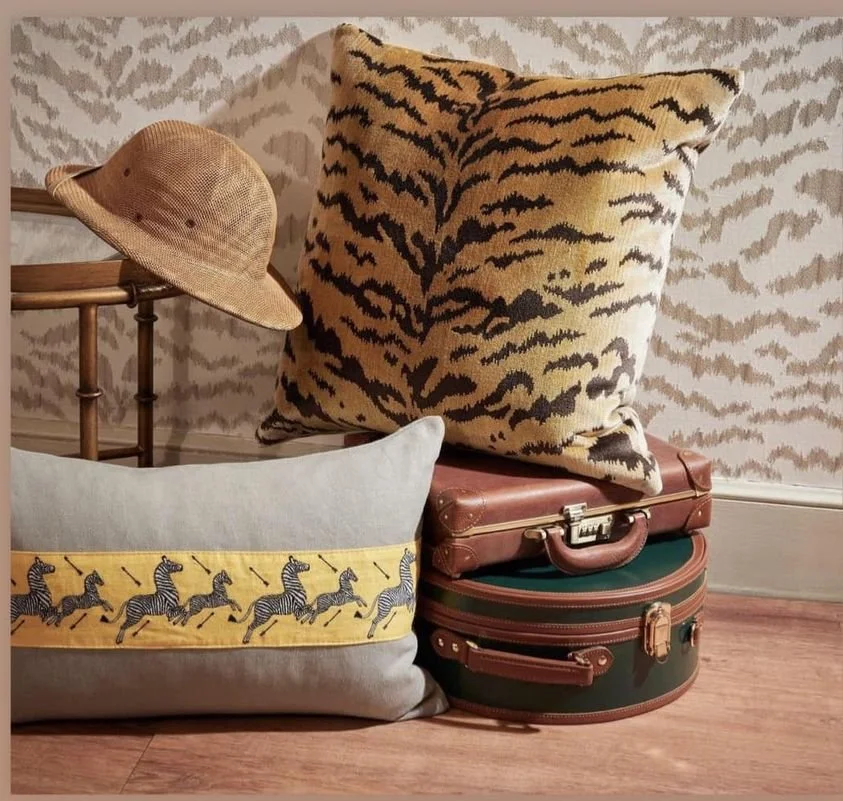
Scalamandre Tigur Pillows and design
Use patterned wallpaper or paint. Patterned wallpaper or paint can be a great way to add drama and interest to a room. However, using patterns sparingly is important, as too many patterns can be overwhelming.

Garcia Studio Wallpaper

Grasscloth wallpaper

Incorporate natural materials. Natural materials, such as wood, stone, and leather, add a touch of warmth and texture to any space. For example, a wooden coffee table or upcycled bowl can create a luxurious room feel.

Hans Wegner Mid Century Chair
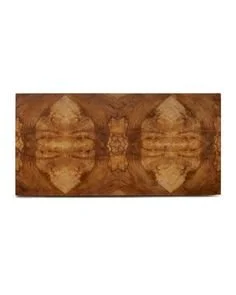
John Richard Collection - Burl Wood Coffee table
Mix and match textures and patterns. When mixing and matching textures and patterns, you must be mindful of the overall look you're trying to achieve. For example, stick to simple, geometric patterns if you're going for a modern look. Try mixing in some organic patterns if you're going for a more traditional look.

Scalamandre Tigur Pillows
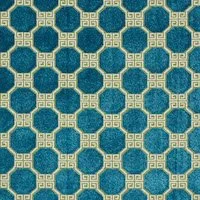
Designers Guild Fabric
“Nail the basics first, detail the details later.”
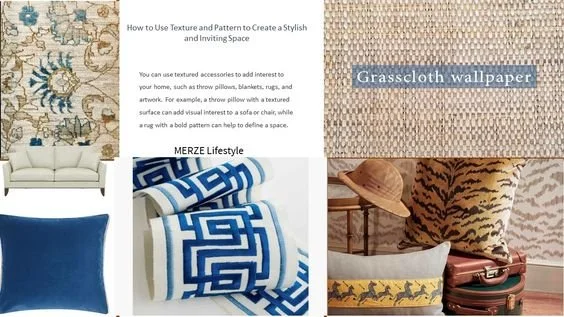
Patterns and Textures Mood Board
Here are some additional tips for using patterns and textures in interior design:
Use patterns to create a sense of movement. Vertical patterns can make a space feel taller, while horizontal patterns can make a space feel wider.
Use textures to add depth and interest. A variety of textures can create a more visually attractive space. For example, you could combine smooth surfaces with rough or soft surfaces with hard surfaces.
Use patterns and textures to create a mood. The right patterns and textures can create a specific mood in a space. For example, you could use calming patterns and textures in a bedroom or energizing patterns and textures in a living room.
Textures and patterns can be a great way to add visual interest and depth to your home. By following the tips in this blog post, you can use textures and patterns to create a stylish and calm, functional, and visually appealing home.

Natural Organic Textures
As with everything I post on my blogs, please feel free to comment, or if you have any questions, please email me through my contact page. I welcome it anytime!
Design with your heart™️
Happy designing friends!
Mary
“May your home be a place where friends meet, family gathers, and love grows. ”