How to Create a Healthy and Relaxing Home Environment
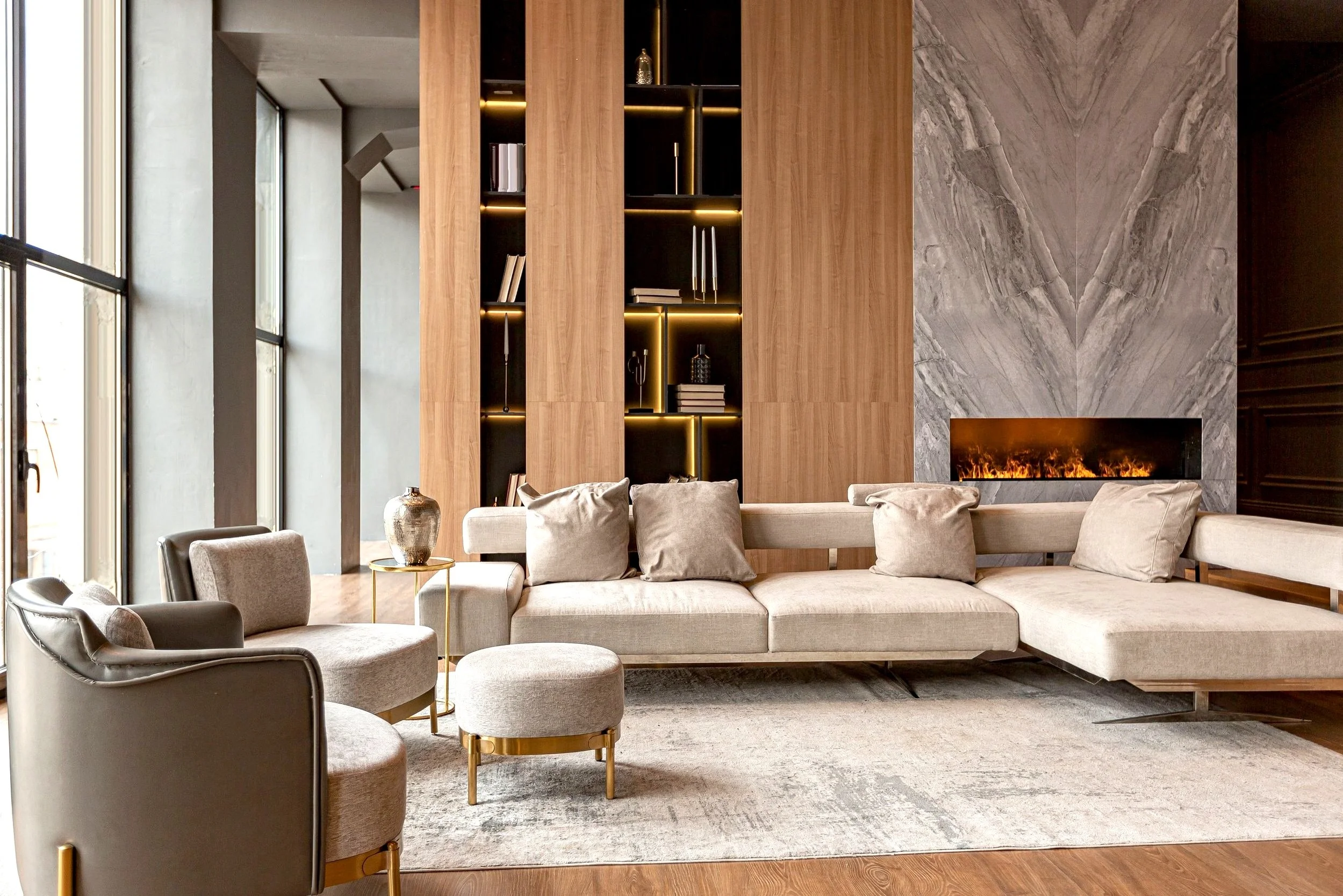
Beautiful trending living room design - Shutterstock
As a designer interested in wellness, our homes significantly affect our overall health and well-being. How we design our homes can promote health or contribute to illness.
In this blog post, I will share some tips on creating a healthy home based on a wellness perspective.
Your home is your sanctuary, so ensuring a healthy environment for you and your family is essential.
Here are some tips on how to create a healthy home environment:
Keep your home clean and well-organized. Clutter can attract dust and pests, so it's important to declutter your home regularly. Using non-toxic cleaning products would be best to clean your home regularly.
To learn more about what a green healthy home looks like, go to: https://www.bpcgreenbuilders
Please make sure to ventilate your home properly. Fresh air is essential for a healthy home environment. Make sure to open your windows and doors regularly for fresh air. You should also have a working ventilation system in your home.
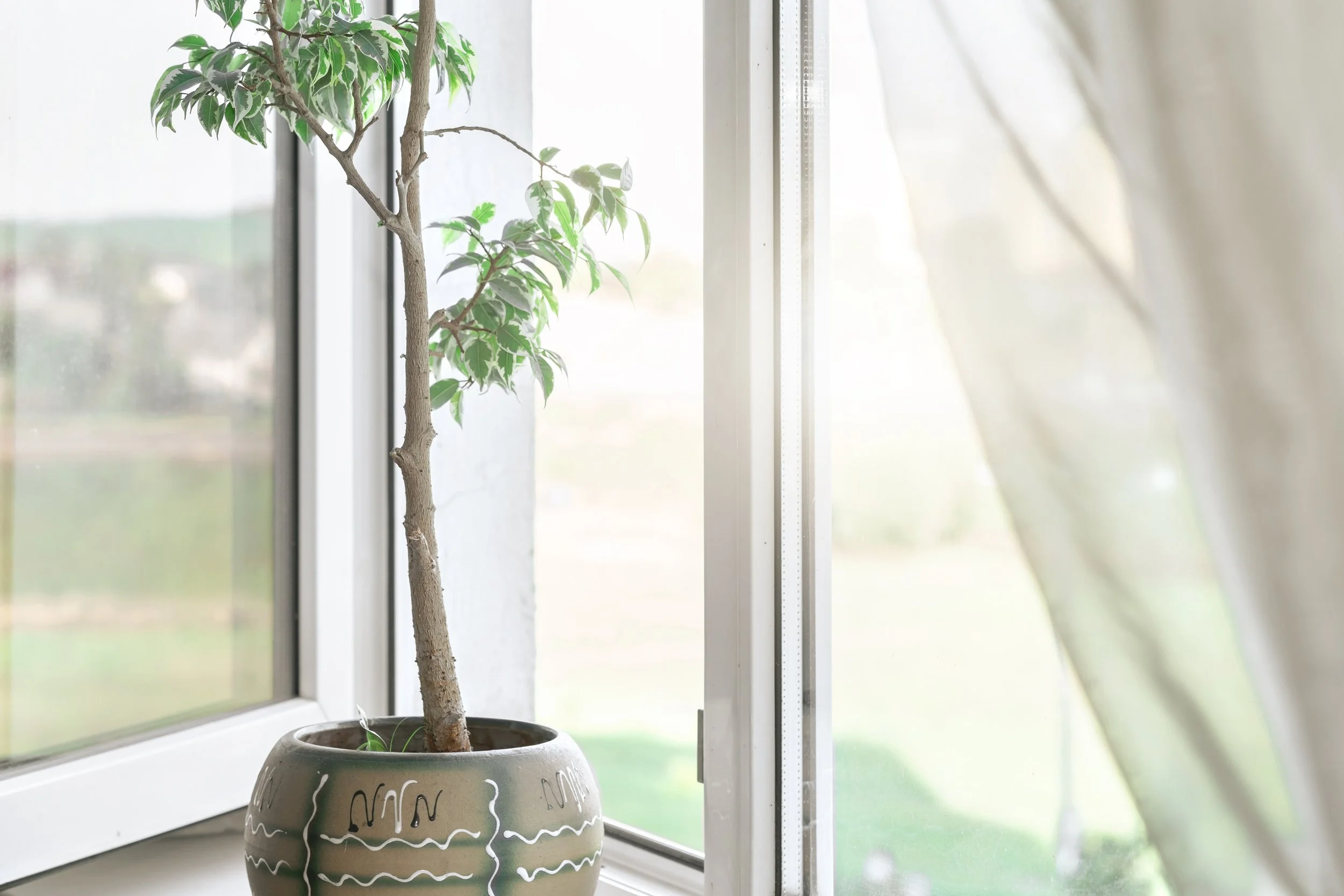
To learn more about home VENTILATION, go to: CDC.gov
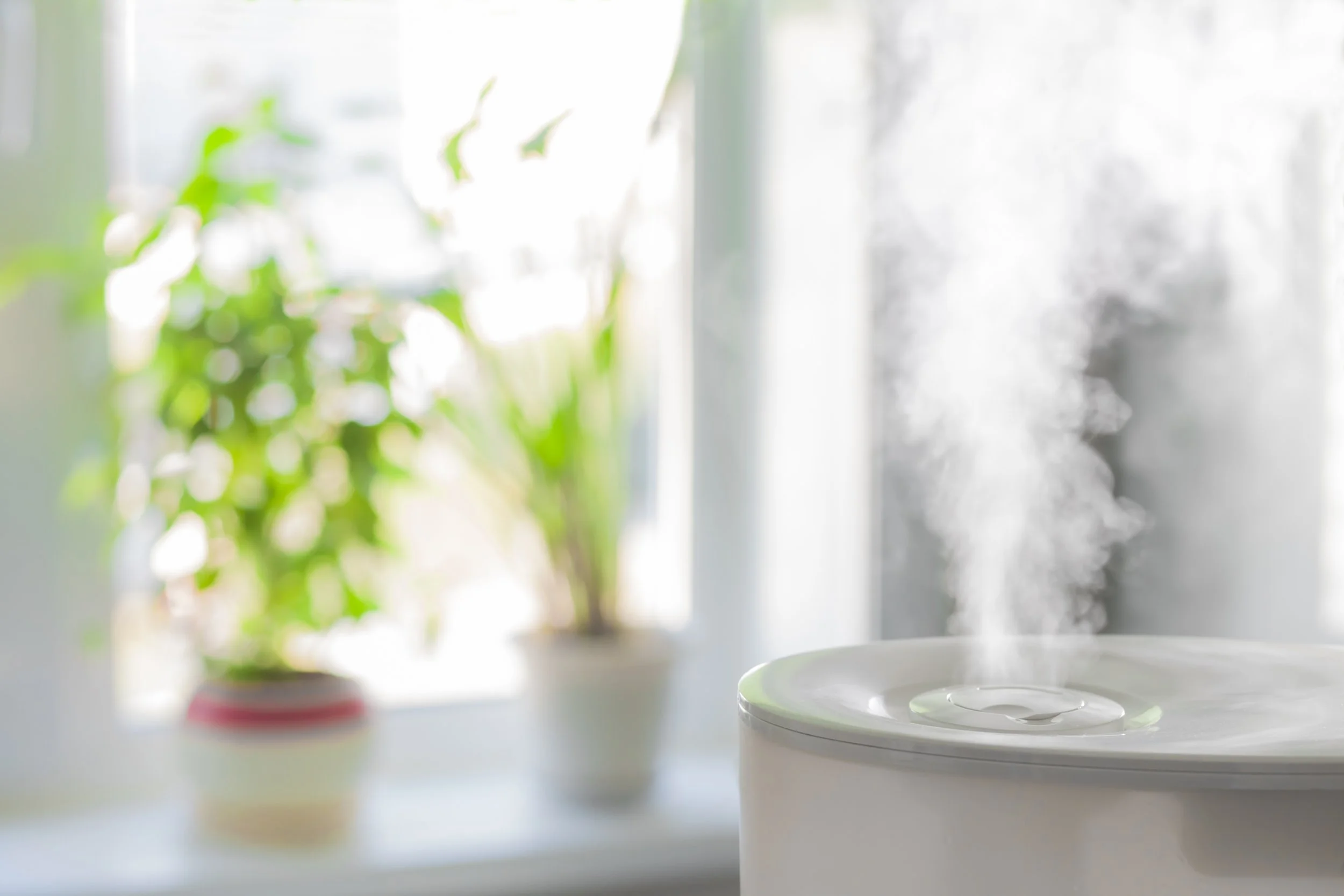
Control the humidity levels in your home. The ideal humidity level for a home is between 40% and 60%. If the humidity levels in your home are too high, it can create mold and mildew growth. You can control the humidity levels in your home by using a dehumidifier or a humidifier.
Use air purifiers. Air purifiers can help to remove pollutants and allergens from the air in your home. This can be especially helpful if you have allergies or asthma.
Get rid of toxins. Many toxins, such as lead paint, asbestos, and VOCs (volatile organic compounds), can be found in our homes. If you suspect that your home may contain toxins, it's important to have it tested and remove them if they are found.
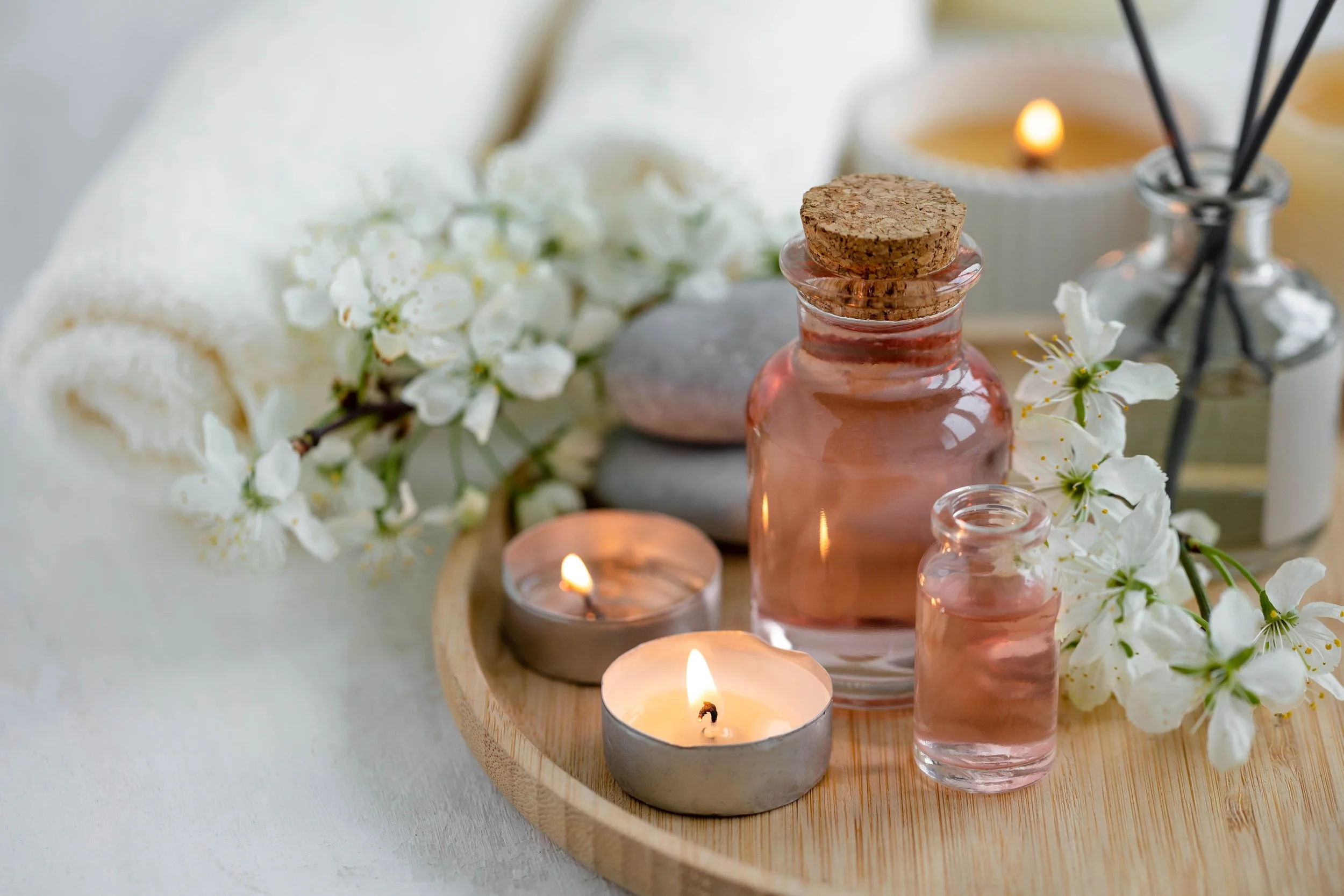
Create a calming environment. The environment in your home can have a significant impact on your mood and overall well-being. Make sure to create a calming environment in your home by using soft colors, soothing music, and comfortable furniture.
Add plants to your home. Plants can help improve your home’s air quality and make your home more beautiful.
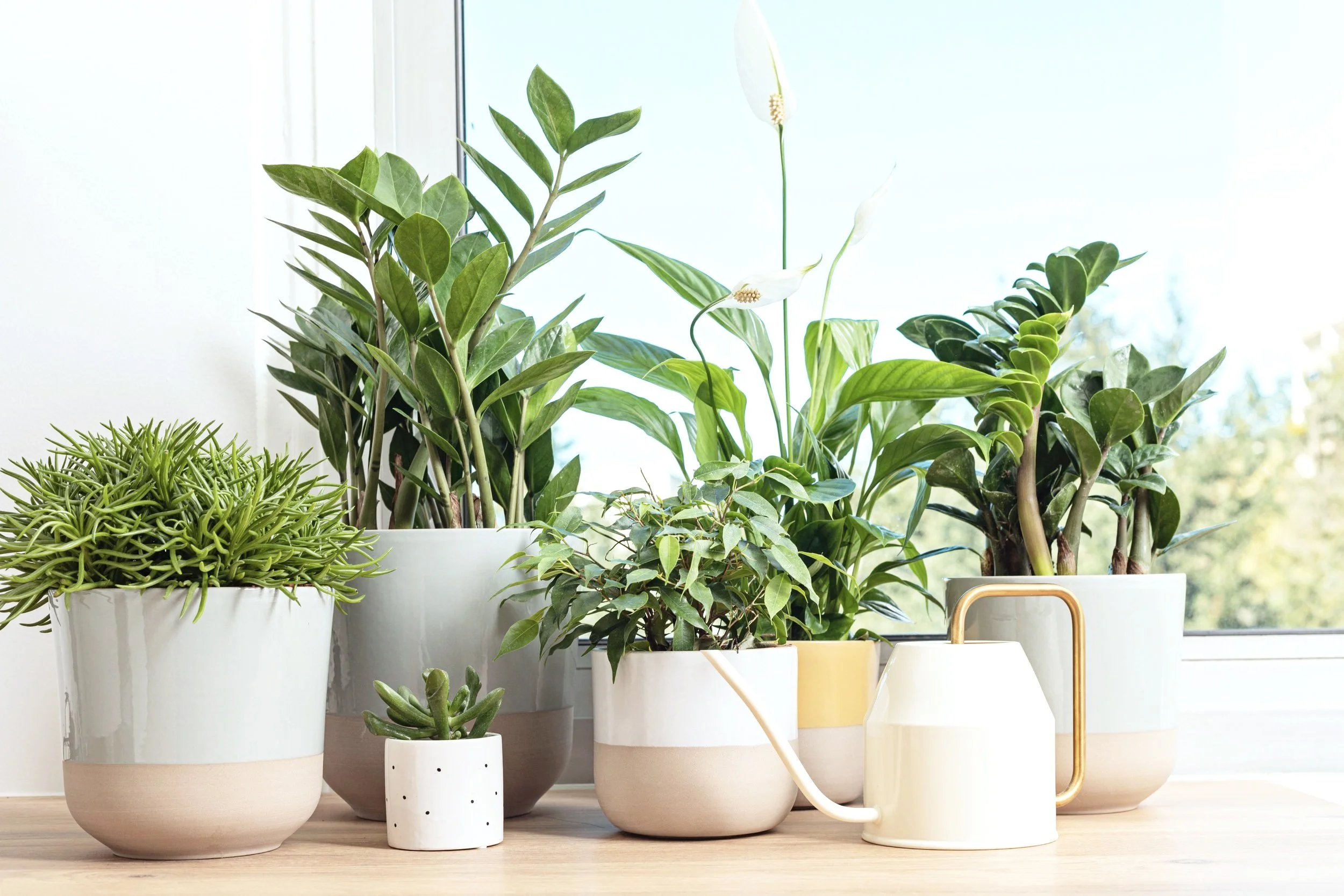
Some plants that are known for their air purifying properties include:
English ivy
Peace lily
Spider plant
Areca palm
Bamboo palm
Here are some additional tips for creating a healthy home environment:
Use natural cleaning products. Many natural cleaning products are available that are just as effective as traditional ones but are less harmful to your health and the environment.
Get rid of pests. Pests can be a significant source of allergens and diseases. If you have pests in your home, getting rid of them as soon as possible is important.
Be mindful of your energy use. The energy you use in your home can have a significant impact on the environment. Make sure to use energy-efficient appliances and light bulbs.
Furniture can contain MANY toxins, including:
Formaldehyde: This is a colorless, odorless gas that is used in the manufacturing of many types of furniture, including plywood, particleboard, and MDF. Formaldehyde can cause various health problems, including respiratory irritation, headaches, and nausea.
Volatile organic compounds (VOCs): These are chemicals that easily evaporate into the air. VOCs are found in many types of furniture, including paints, finishes, adhesives, and foams. VOCs can cause various health problems, including respiratory irritation, headaches, and nausea.
Phthalates: These are chemicals that are used to soften plastics. Phthalates are found in some types of furniture, including upholstered furniture and flooring. Phthalates can disrupt hormone function and have been linked to a variety of health problems, including reproductive problems, cancer, and asthma.
Flame retardants: These chemicals are added to furniture to make it fire-resistant. Flame retardants can harm human health; some have been linked to cancer.
If you are concerned about the toxins in your furniture, there are a few things you can do:
Choose furniture made from natural materials, such as wood, linen, cotton, and wool.
Look for furniture that is certified as non-toxic or low-VOC.
Avoid furniture that has a strong chemical smell.
Ventilate your home regularly to help remove toxins from the air.
If you are concerned about your family’s health, consider testing your furniture for toxins. There are a number of companies that offer furniture testing services.
Here are some additional tips for reducing your exposure to toxins in furniture:
Buy furniture from a reputable dealer. Reputable dealers are more likely to sell furniture that is made from safe materials.
Ask questions. When you are buying furniture, ask the dealer about the materials that were used to make the furniture and whether or not it is certified as non-toxic or low-VOC.
Creating a healthy home environment takes effort, but it's worth it for your health and well-being. Following these tips, you can create a safe, clean, and comfortable home for you and your family.
“Nature holds the key to our aesthetic, intellectual, cognitive and even spiritual satisfaction. ”
As with everything I post on my blogs, please feel free to comment, or if you have any questions, please email me through my contact page. I welcome it anytime!
Design with your heart™️
Have a lovely day, my friends!
Mary
“May your home be a place where friends meet, family gathers, and love grows. ”
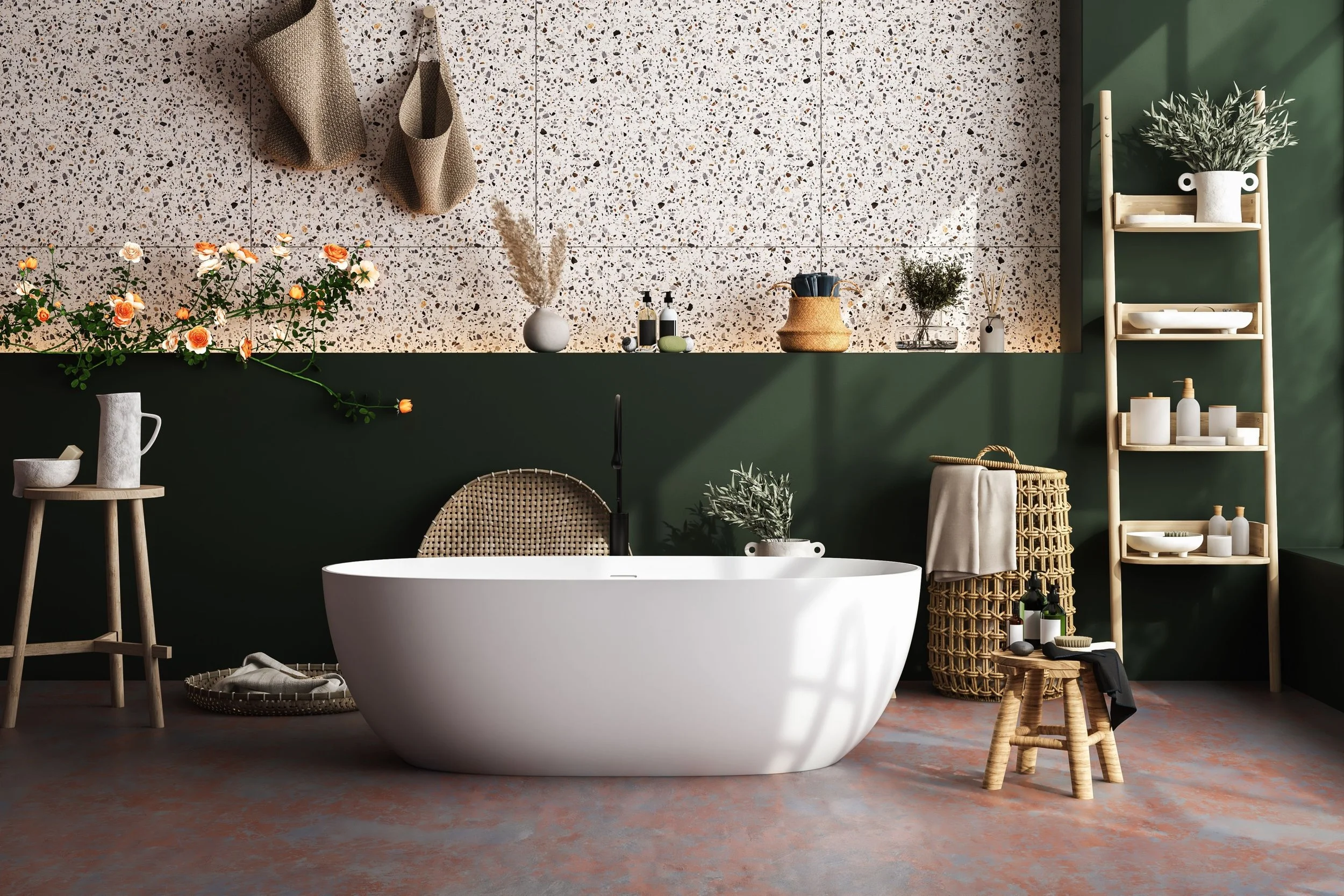
Natural environment with calming effects. Photo by Shutterstock