The Ultimate Guide to Hosting a Holiday Sit-Down Dinner
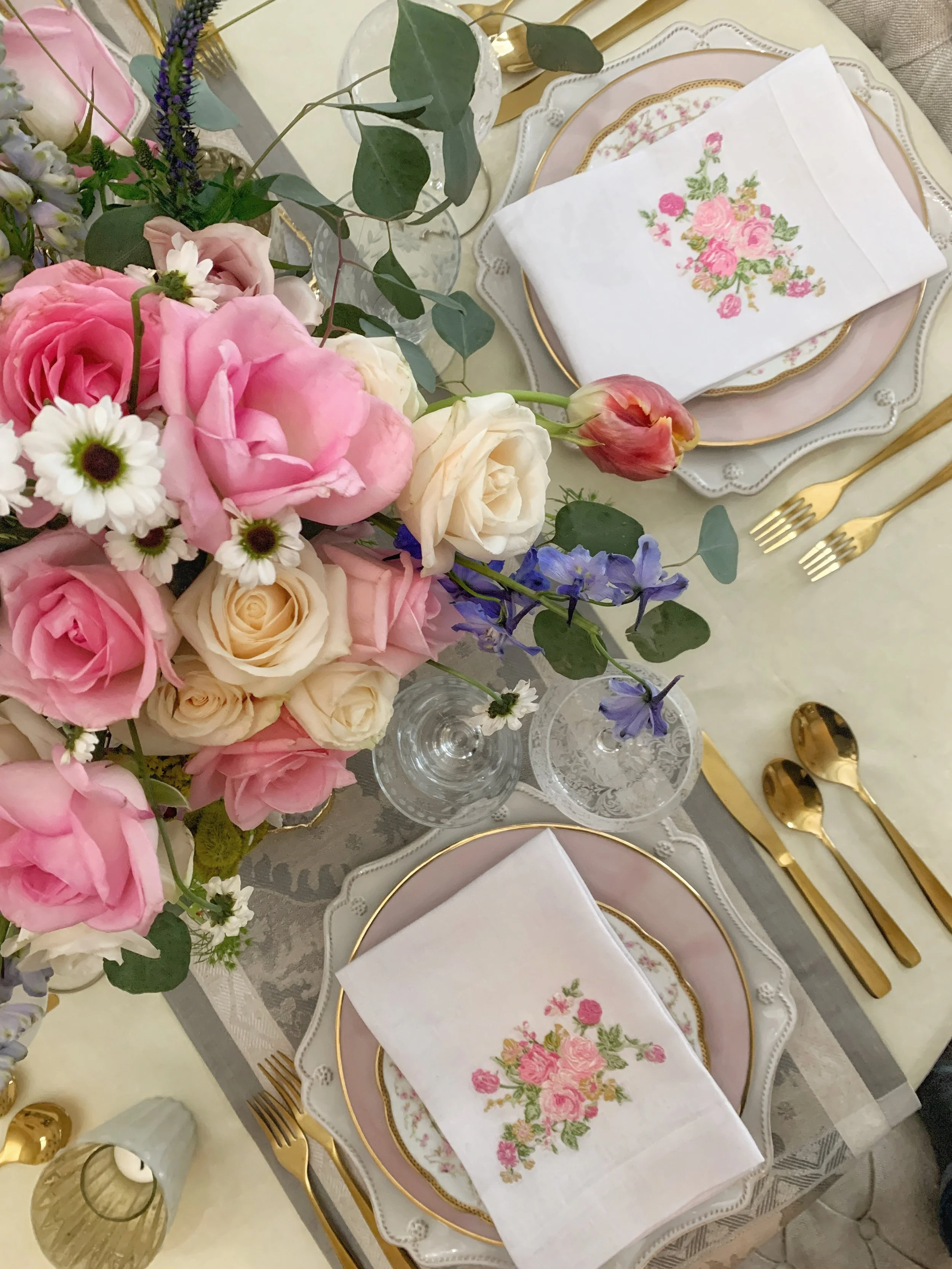
Hosting a sit-down dinner is not about perfection. It is about creating an environment where people feel welcomed, seen, and comfortable enough to linger.
After years of entertaining, both personally and professionally, I have learned that the most successful evenings are not built on complexity. They are built on intention.
A warm home, thoughtful preparation, and a well-layered table do more than impress guests. They create atmosphere. And atmosphere is what people remember.
Begin With Intention, Not Panic
The key to hosting well is planning ahead.
Before anything else, sit quietly and envision the evening. Who will be there? What kind of mood do you want to create? Formal and elegant. Relaxed and conversational. Seasonal and festive.

Write a simple checklist. Develop your menu early. Create a shopping list before stepping into a store. Missing ingredients mid-preparation is one of the fastest ways to create unnecessary stress.
Hosting should feel steady, not frantic.
Keep the Guest List Thoughtful
For an intimate sit-down dinner, four to six guests is ideal. Conversation flows more naturally when everyone can see and hear one another.
Let guests know what to expect. A plated dinner feels different from cocktails and appetizers. Setting expectations creates ease before the evening even begins.
A simple phone call or email invitation is perfectly appropriate. The tone of your invitation quietly sets the tone of the gathering.
Design the Table Around Feeling
Your table should reflect the spirit of the occasion.
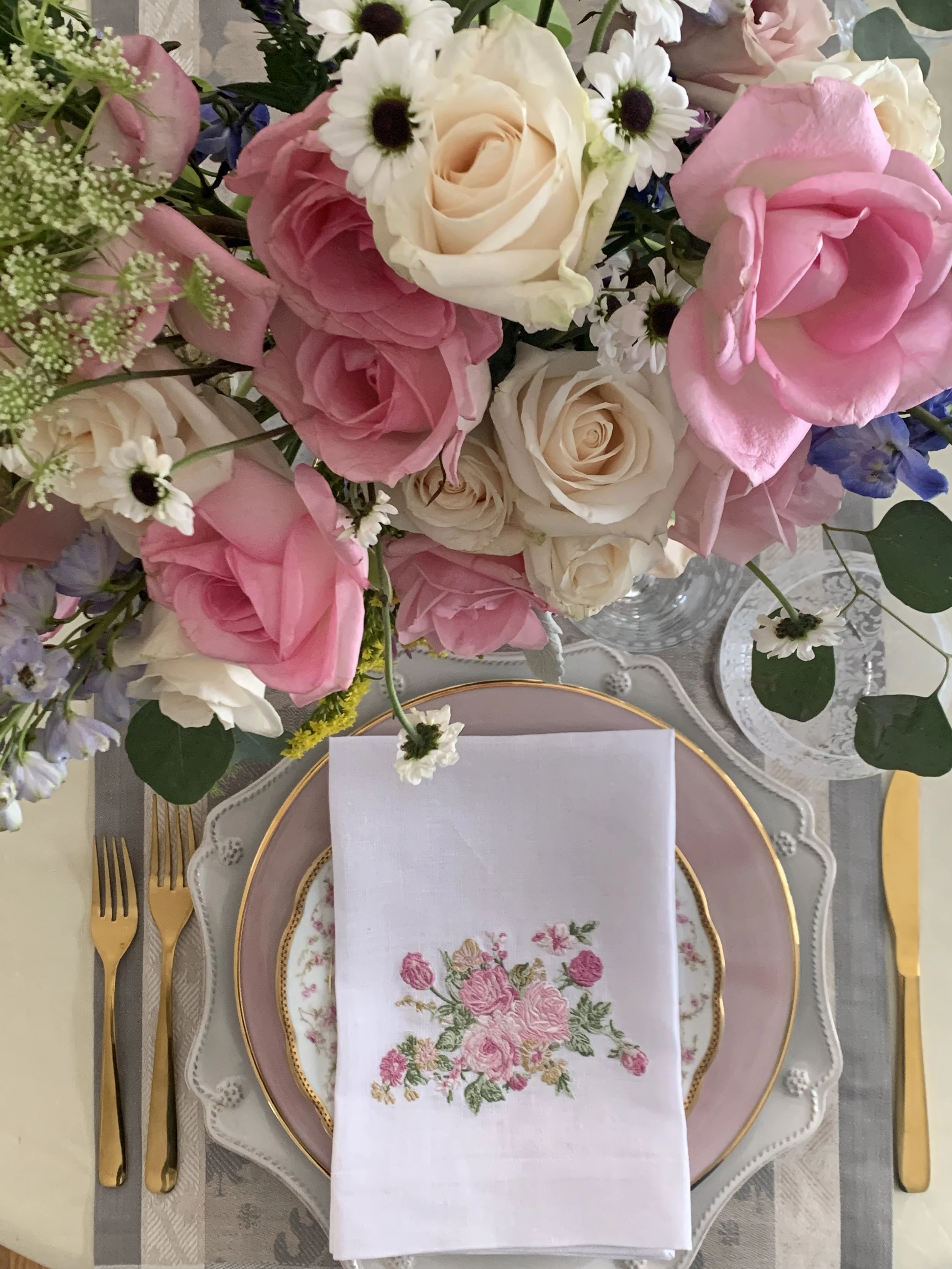
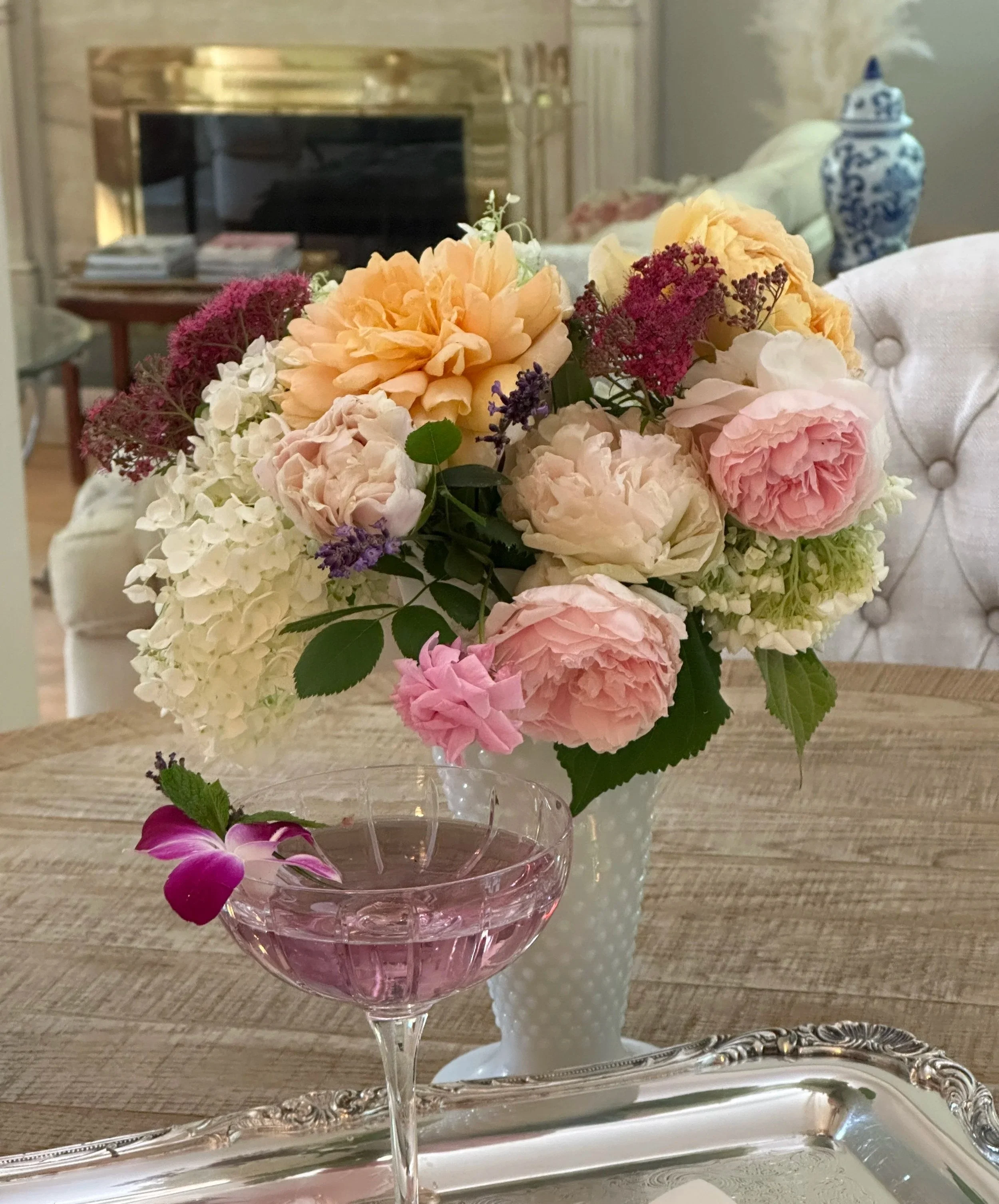
Seasonal elements can inspire color and texture, but they should never overwhelm. Florals are timeless. Greenery from outdoors can add movement and life. Fruit, vegetables, and natural elements introduce warmth.
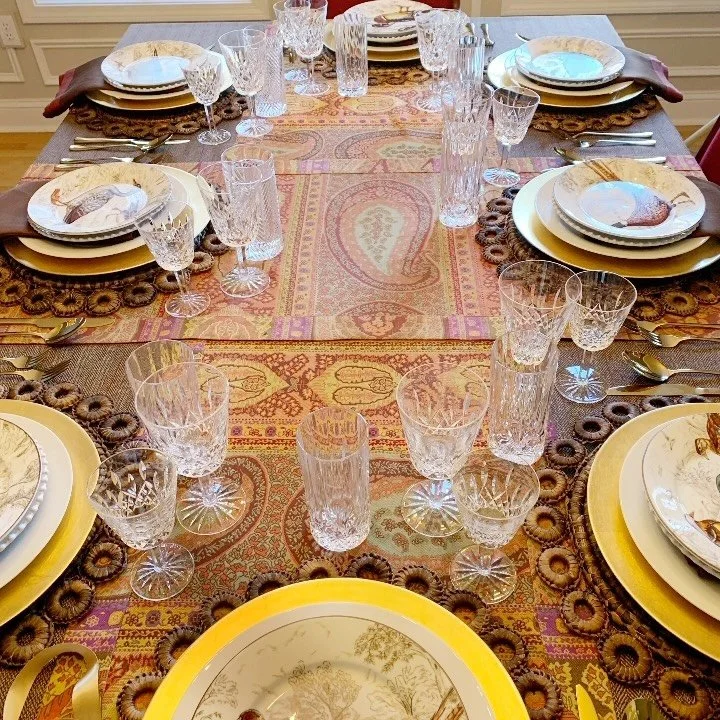
Always set your plates, glassware, and flatware first. Only then add decorative elements. You will quickly see how much space actually remains in the center of the table.
The centerpiece should never block conversation. Twelve inches is generally the maximum height. Lower arrangements, scattered votives, or small clustered vases allow guests to connect visually.

Avoid scented candles. Fragrance should come from the meal, not compete with it. Less decoration often creates more elegance.
Prepare in Advance
Much of hosting success happens before guests arrive.
Shop a few days ahead. Chill beverages early. Arrange florals the morning of the dinner. Buy ice. Set the table well before you begin cooking.
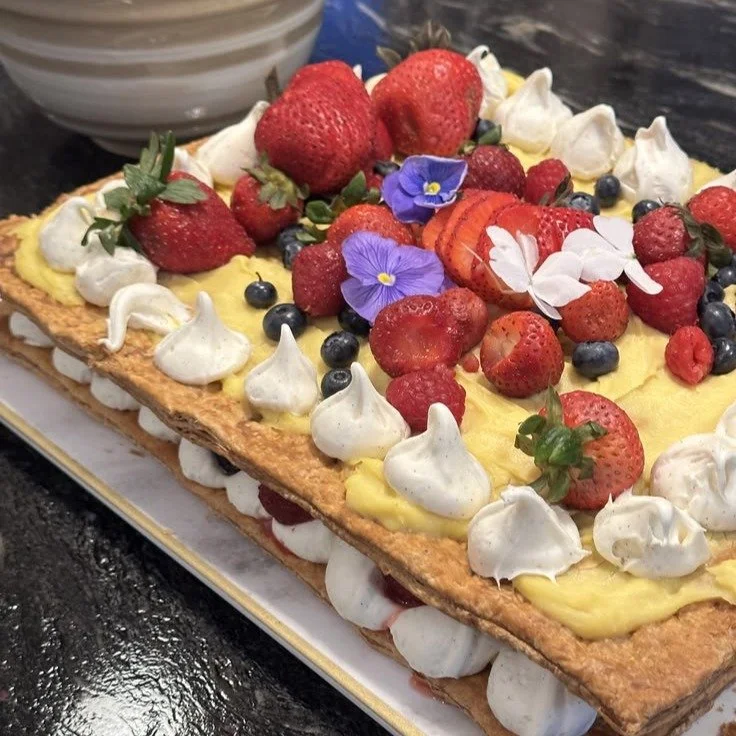
Whenever possible, prepare desserts or components of meals ahead of time. Your guests should never feel that they are waiting in the kitchen. The goal is to be present.
Set the Table With Confidence
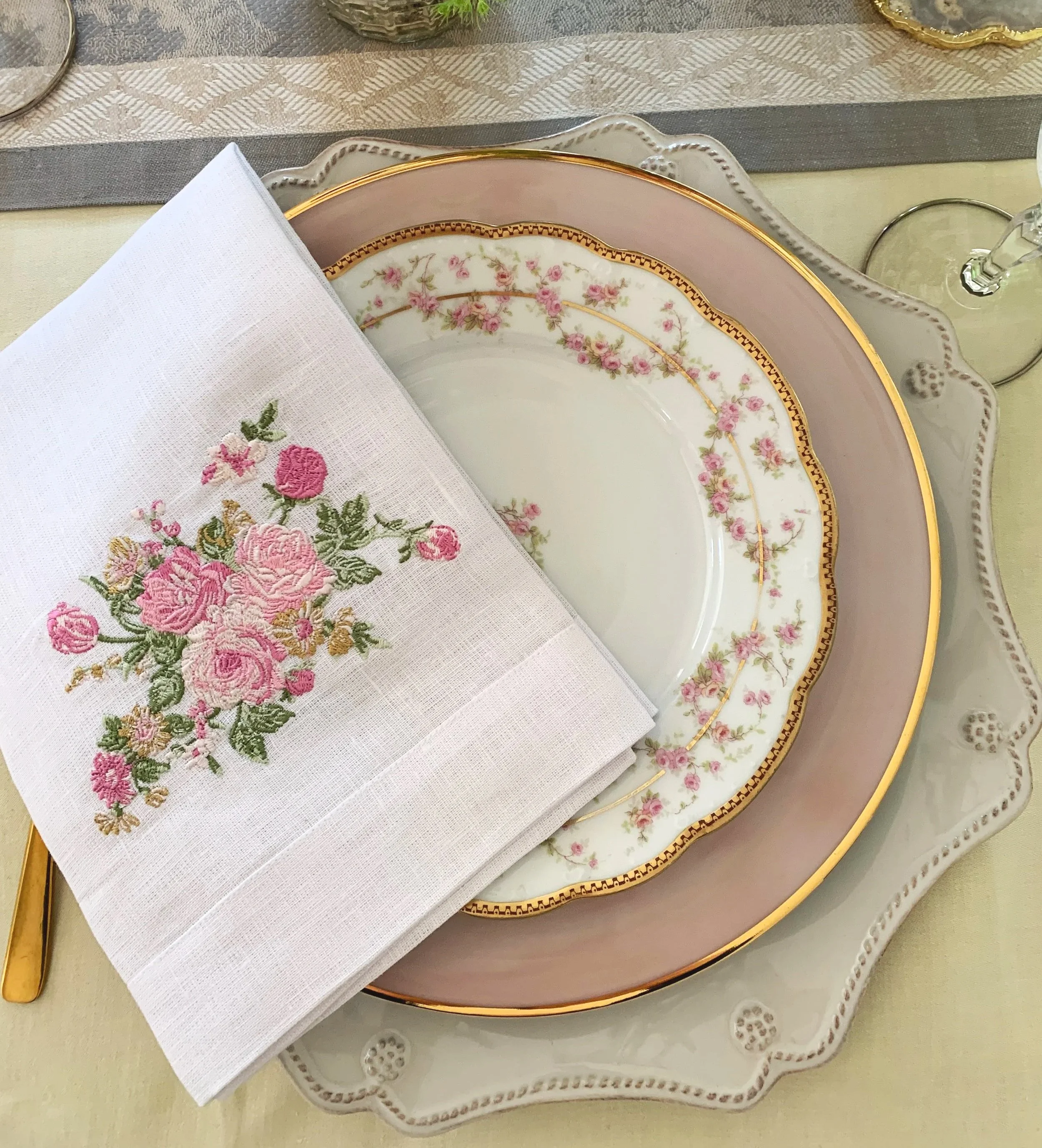
Bring out what you love—China, crystal, linen napkins, heirloom pieces. Mixing textures and materials creates warmth and visual depth. Organic elements such as woven chargers can live beautifully beside polished silver or etched glass.
Linen does not need to be perfectly pressed to feel elegant. A softened linen carries character. If you prefer crisp structure, press it. If you prefer ease, let it breathe.
The table should feel welcoming rather than staged.
If you are unsure of formal placement rules, remember the basics. Forks to the left. Knives and spoons to the right. Glassware above and to the right of the plate. Beyond that, let comfort guide you.

Music and Lighting Shape the Evening
Ambience matters as much as food.
Before guests arrive, play music that reflects the tone you want to create. During cocktails, it can be slightly more lively. When seated for dinner, lower the volume so conversation becomes the focus.
Lighting should feel soft and layered. Candles create intimacy. Votives scattered throughout the home guide guests from one space to another. Twinkle lights tucked into lanterns or glass domes add warmth without glare. A softly lit room invites people to exhale.
Welcome and Flow
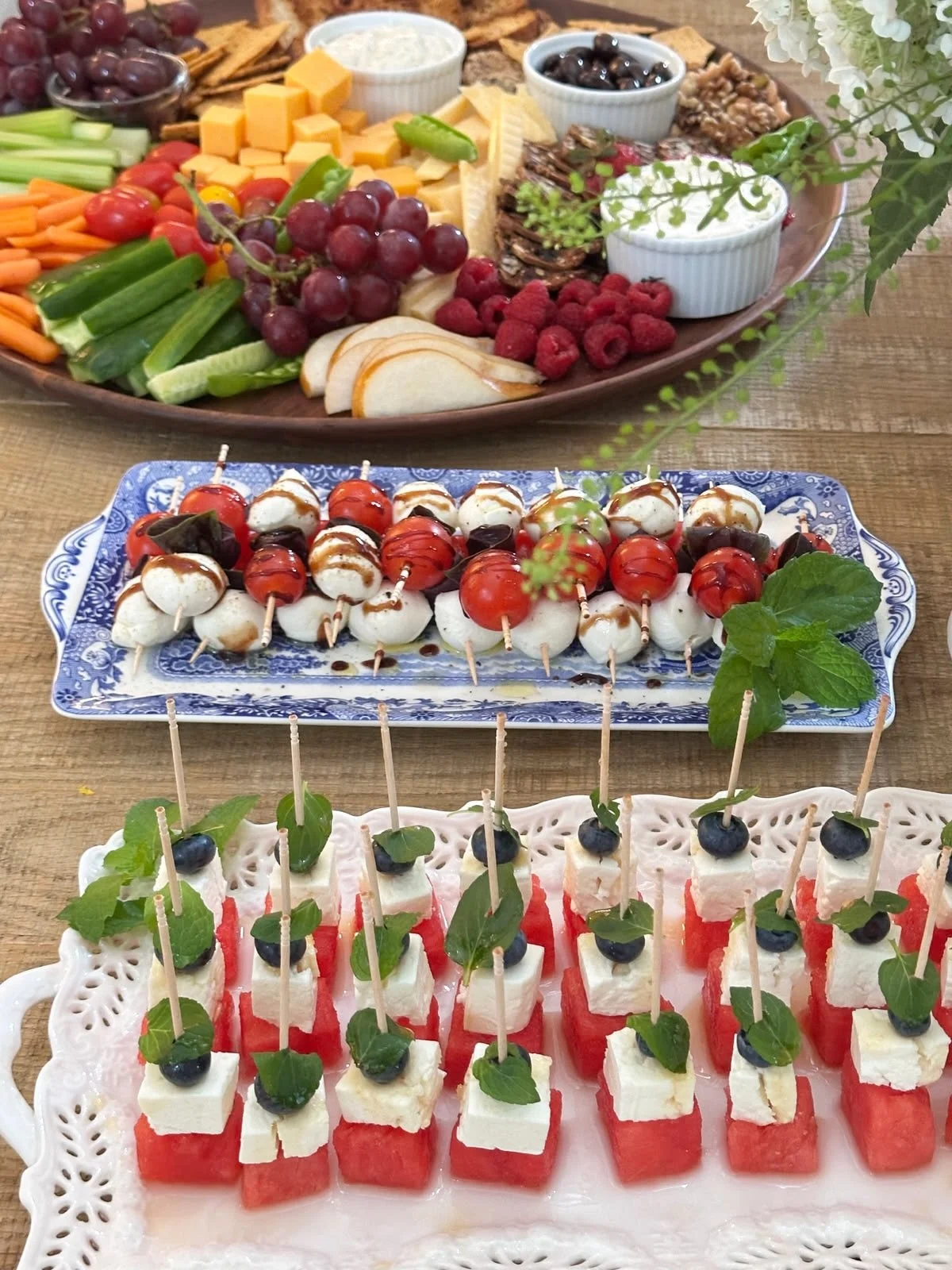
When guests arrive, allow time for mingling. Offer appetizers and beverages away from the dining table so the evening unfolds gradually.
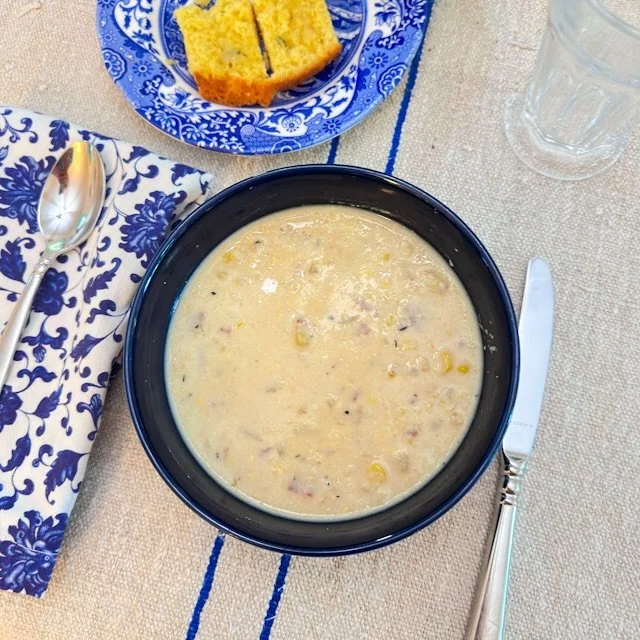
Before seating everyone, fill water glasses and place bread on the table. If serving a first course such as soup or salad, have it ready.
Whether you plate meals individually or serve family style, preparation is key. All serving dishes should be warmed and ready. If plating in the kitchen, clear previous courses first to keep the table uncluttered.
A calm host sets the tone for the entire evening.
Closing the Evening Thoughtfully
When dessert is finished, move guests to a more relaxed space for coffee or an after-dinner drink. A change of room signals the shift from structured dining to lingering conversation.
If you enjoy it, send guests home with a small token. A slice of cake. A few cookies wrapped simply. A handwritten note. It need not be elaborate. It simply says thank you.
After the Guests Leave
Clean it immediately or leave it for the morning. There is no rule here.
What matters is pausing long enough to appreciate the evening you created.
Hosting a sit-down dinner can feel overwhelming, but when approached with intention, it becomes one of the most rewarding ways to gather people you care about.
Plan. Edit thoughtfully. Light gently. And most of all, be present.
That is what transforms a meal into a memory.
“may your home be a place where friends meet, family gathers, and love grows.”
As with everything I post on my blogs, please feel free to comment, or if you have any questions, please email me through my contact page. I welcome it anytime!
Design with your heart™️
Happy entertaining my friends!
Mary