Are you thinking about doing a kitchen remodel? Want to save on your budget and schedule?
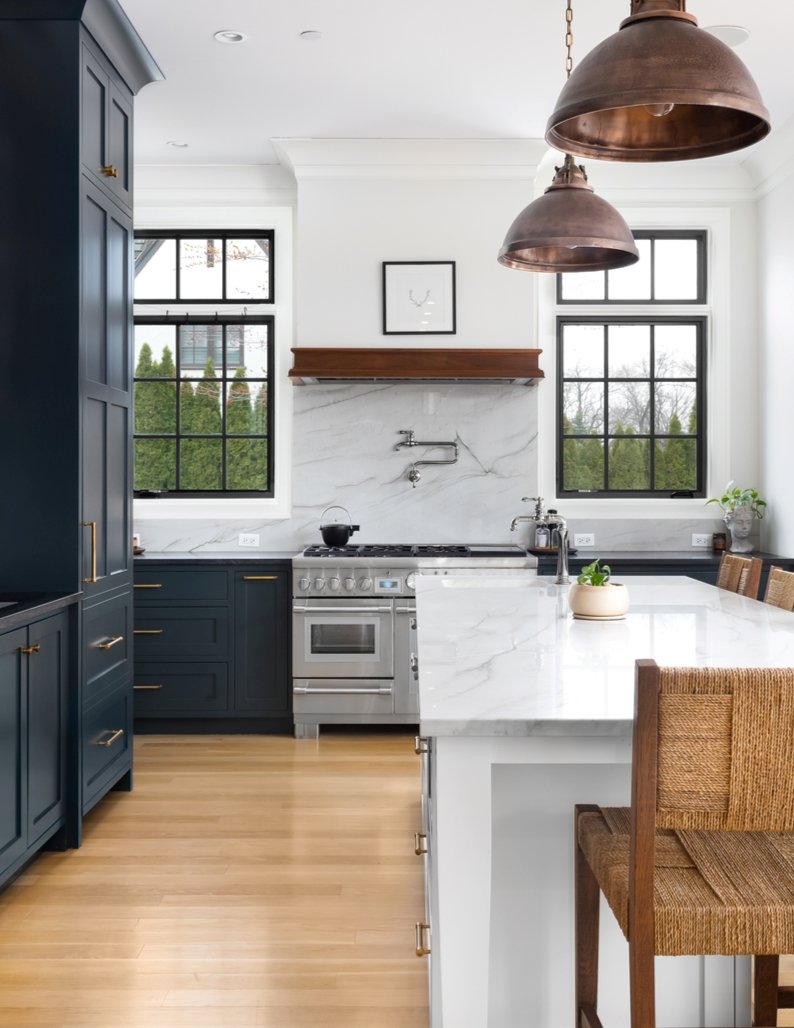
Design by Steven Gambrel for 1stdibs introspectivemagazine / Photo by Eric Piasecki
I just completed a kitchen remodel and shared tips to save you some time and unnecessary stress.
I had been a Project Manager for years before switching my profession to interior design. I was able to keep my eye on my remodeling project based on a few very simple project management principles:
Is it proceeding as scheduled?
Is the communication flowing easily and to everyone involved?
Is it staying within my budget?
Is it finishing on time?
Although seemingly easy questions, trust me, each has its challenges.
Here are some tried and true tips that I can share with you from a project manager’s perspective that might give you some peace of mind as you plan for your kitchen remodel.
First, let’s talk a little about Project Management.
I’ve been a project manager for over 30 years in many industries, from textile to technology to oil and gas. I designed and managed my kitchen upgrade using my skillsets of both Program/project management. With Project Management, an industry-wide proven methodology is used to keep your budget and timeline on track no matter the project, whether it is a significant technology project or an interior design project. The process at a very high level is very much the same when confronting any project. I used that methodology to manage my kitchen upgrade from start to finish.
The skills needed to be a good project manager is as follows:
Leadership
Good Communication
Schedule and Time Management
Negotiation
Risk Management
Critical Thinking and Problem Solving
Collaboration
Adaptability
Planning and Forecasting
Budgeting
Tracking and Monitoring
Problem Solving
Forecasting
As you can see, many of these skill sets go hand in hand with doing any project. I used every one during my kitchen upgrade. I work as my general contractor. If you are hiring a contractor, look for these skillsets above and ensure they are licensed as such.
After finishing my kitchen, I sat back to gather lessons learned and wrote this blog about some areas within my project that I found the most critical related to cost and schedule. So, let’s take a closer look!

Always plan your project first!
Plan and Plan and Plan
A well-planned kitchen will save you money in the long run and much-unneeded stress. How much time should you spend planning? According to The National Kitchen and Bath Association, they “recommend at least six months. That way, you won’t be tempted to change your mind during construction and create change, inflating construction costs and hurting your investment return.“
I spent six months planning, and I would wager even more.
Big Tip: To save money, use the same footprint and plumbing as you have now. Design around them. Moving plumbing, walls, or windows to accommodate change will increase the budget in a big way. I kept my current footprint, which lowered my level of risk, and I was able to cut unneeded costs.
Big Tip: Choose and order fixtures and materials before starting.
Decisions are necessary, and indecisiveness is THE most significant risk in finishing your project on time and causes the most additions to a budget. All products should be picked out and ready for ordering before the project begins.
Contractors will make more accurate bids, and you’ll lessen the risk of delays because of backorders. Do not start your project without your decisions made; otherwise, your family will be without a kitchen for a very long time.
I picked and ordered all of the items needed for my kitchen remodel before starting. I had the wrong sink drain come in at the last minute, and I could not use my sink at all. I had spent thousands of dollars upgrading my kitchen, and a simple 30 dollar drain delayed my schedule. Think about what indecision will do if you have not planned ahead of time. I was lucky that it didn’t impact my overall schedule, but it could have.
Don’t be afraid to seek help.
Big Tip! When hiring a contractor, try to find a person who has both Cabinet Installer and Electrician skillsets all in one.
Wow! Can I tell you that this was the best decision I ever made? Because my contractor both installed the cabinets and did the electrical work, he was always aware of the consequences for placement of appliances and cabinetry to electrical outlets. It saved me both time and money. Also, be sure that you do not start your project until you are sure your contractor is available for you. Make sure his schedule is wide open for your project. This is another cause for unwanted delays.

A professional cabinet company can simplify your kitchen remodel. Professionals help create the kitchen layout diagram with detailed measurements, make style decisions, foresee potential problems, and schedule contractors. Expect fees around $50 to $150 per hour, or 5% to 15% of the project’s total cost.
Hiring an Interior Designer
If you feel you aren’t comfortable making design decisions, an Interior Designer can help. Most often, a professional cabinet company will have a resident designer on staff. Ask if they come with the services provided. If not, you can decide to hire one based on your budget. Pick out the fixtures and all appliances with them. Go shopping with them to look at your options. Doing that will ensure you are happy in the long run with the entire design. Go with your gut. If you feel a design aesthetics isn’t for you, don’t do it. You will be happier in the end.
Things to look for in a good Interior Designer at any time:
If having a licensed interior designer is essential to you, check their credentials on your state’s database. All state-registered licenses are available for you to LOOK UP.
Check your State’s Database to ensure their business entity is also registered with the state and holds insurance (including all business entities you sign an agreement with). It ULTIMATELY protects you. You would be surprised who is not registered, so always check.
Check social media such as Facebook, Instagram, and Pinterest. This will give you more information on both professionalism and integrity. Honestly, this is a big one. What you see on their professional sites tells a story about their professionalism and integrity. Be prepared.
Be sure the designer gets along with all contractors and has good communication and leadership skills. Check references! Talk to the general contractors that they worked with on other projects. References are tricky. If they give you a person to talk to, ask that person to give you another person’s name for additional references. Do your homework in detail.
They Listen listen listen….before acting. Communication is both listening and speaking. They need to do both well.
The designer can work within your budget.
They have experience and have solid Project management expertise. It’s easy to say you are a project manager, but vocational and practical training is essential. Ask if you can check on both.
Ask for their portfolio so that you know what their style AESTHETIC is.
They can be a great additional resource if your budget allows it. Be sure to check references always.
Changing anything structural
Before removing any walls, whether load-bearing or not, always check with a structural engineer.
According to homeadviser.com,
“Even when they are not load-bearing, walls are important to the structure of your home. They can also house electrical, plumbing, and other service lines. Therefore, you should always consult a professional structural engineer to ensure the removal will not put your home’s structural integrity at risk. Similarly, a licensed and experienced contractor should perform the work.” Do not leave this task to an Interior Designer.
BIG TIP! Remember, when discussing a remodel, the flow of the entire floor of the house should be considered. With the open floorplan that many houses have today, you want to be sure the entire design fits the flow of your home.
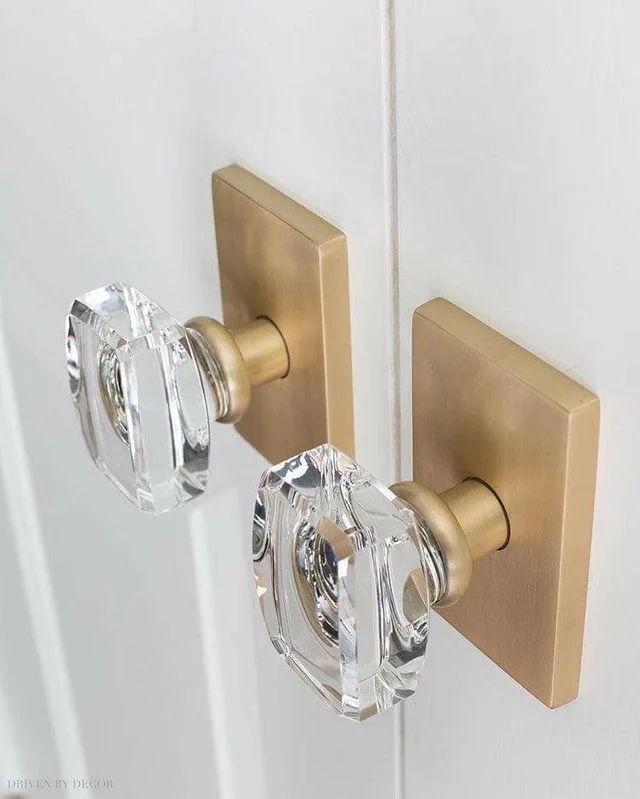
Design Aesthetics
Hardware is the embellishments of your kitchen
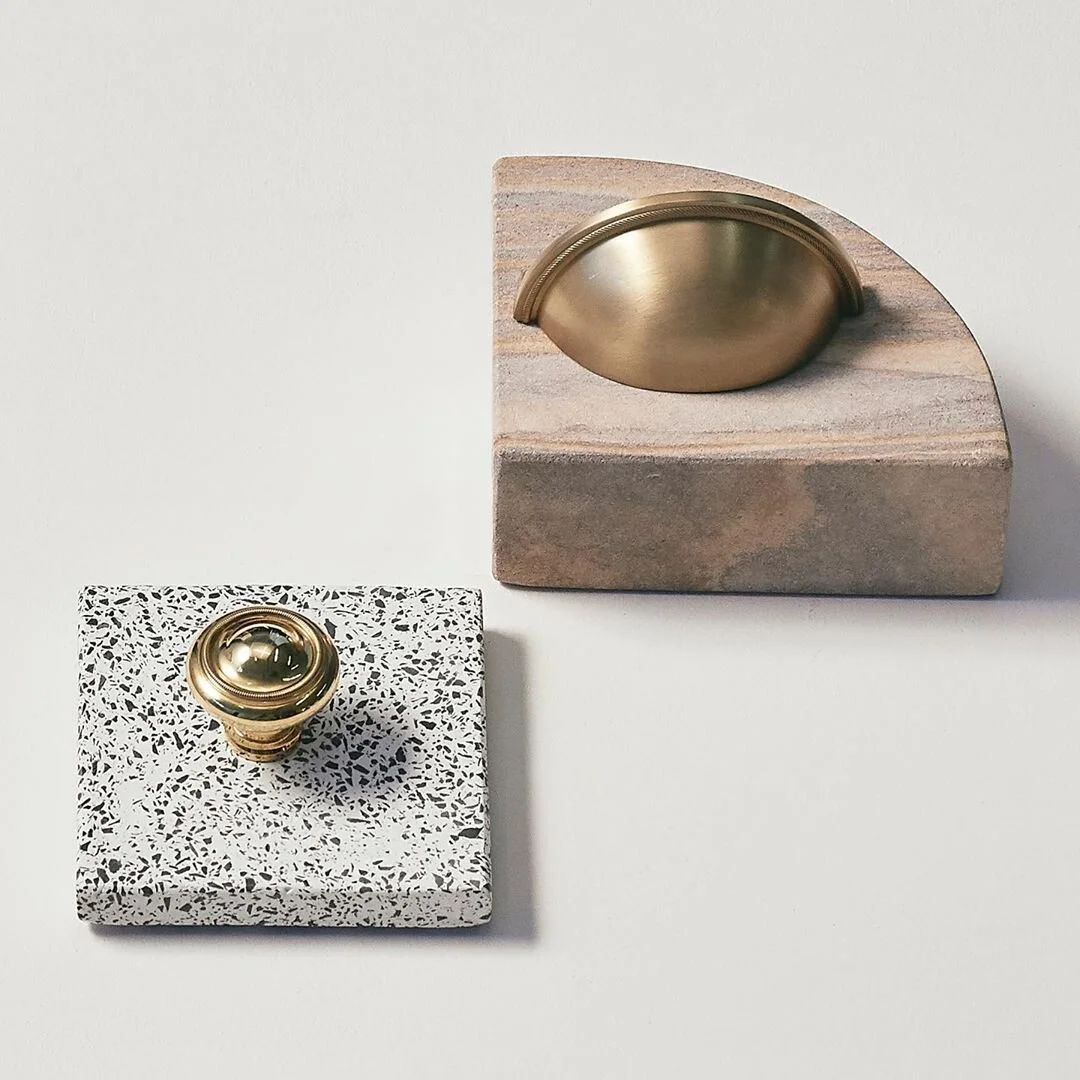
Don’t skimp on new hardware.
Hardware and lighting are easy to change out as time goes on. Changing a light fixture is much cheaper than changing the cabinetry as design trends change. Hardware is the embellishment or JEWELRY of your kitchen and should represent your style.
Here is an excellent link for how to Pick kitchen cabinet hardware by Jojotastic.com
Cabinetry is the single most expensive cost to your kitchen redesign.
First, I want to talk a little about design trends.
There are so many beautiful design trends coming out in 2022; open shelving, reclaimed wood cabinetry, two-toned cabinetry, darker floors, to name a few. Black cabinetry is still trendy right now, but as with all trends, it’s essential to make a very informed decision on whether you want to spend money on cabinetry that may go out of style in just a few short years.
Here is my opinion based on THE budget. Choose trends that you will love. I mean swing from the chandelier, love! Because ultimately, you will have the cabinets you have picked out for a very long time. They are one of the most challenging and costly items to install in your kitchen, and you want to do it right. Think today and where you think you will be in the future for design AESTHETICS.
Trending colors are only in vogue for a short amount of time. They can date your kitchen and, ultimately, your home if you don’t care and have the budget to change it over in a few years, then great! If not, maybe you can choose to put a pop of color on your island and do something else for the rest of the cabinets. If those open shelves are just too much to keep up with as you grow your family, do only a few. Most people live in their kitchens, and people congregate there most often. If you have an open concept design in your home, the kitchen will get the most traffic. Trends are great; believe me, I love them, but I am also practical. The majority of your budget will go to just a few BIG items and one being cabinetry. You don't want to look at them in just a few short years and regret your choices.
Cabinets are the most expensive component of the entire space. They consist of approx. 30% of your total budget if you keep with your current footprint. There are so many different types and styles for cabinetry.
There are three basic types of cabinetry: Each type provides different advantages depending on your needs and budget.
Stock cabinets are at an entry-level price point with limited options. The next is semi-custom and ultimately complete custom cabinetry. The more you customize your cabinets, the greater the cost.
The installation process is very complex and requires great precision for measuring the total space. Once your cabinets are installed, you are ready for the rest of your kitchen installation.
Countertops
Countertops can be expensive, so choose the material based on your cooking and entertaining tendencies. The three most popular are:
Quartz: You need a tough-wearing surface to handle hot pots and spills. Because it's an engineered surface, quartz tends to cost less than marble or granite. And since quartz never needs to be resealed, you'll pay even less in the long run.
Granite: You want a solid stone with a variety of color and pattern options that is heat-resistant. But you will typically need to reseal this porous surface annually to help prevent staining. Often, the island can be a different service than the other counters, and if you must have granite, the island is a good place for it.
Marble: You want a high-end look with beautiful veining. "Marble, especially white varieties like Carrara and Calacatta, has such an elegance about it," says Seattle-based kitchen designer Candace Nordquist. But be prepared: The delicate surface is susceptible to scratches and stains and must be resealed every 6 to 12 months.
There are so many other materials that you can use for a countertop: concrete, wood or butcher block, soapstone, ceramic tile, laminates, and stainless steel.
To learn more about the pros and cons of each of these materials, click on this link: The Spruce: Top 10 Materials for Kitchen Countertops.
Appliances
Buy what you love and try to go as high-end as possible, considering your budget. Everything has a shelf life, and appliances are no different. However, one product can be so different in both quality and cost. Do your homework and see what the best product for your money is.
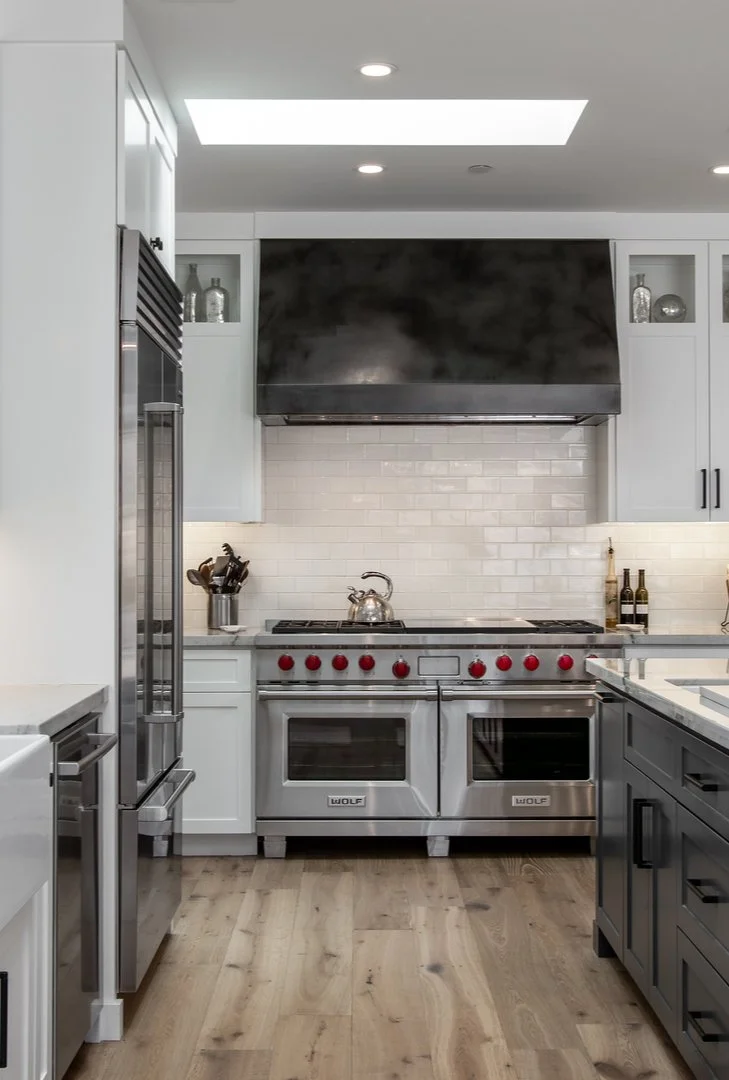
I chose QUARTZ for my countertops and Granite for my island. Since I cook and entertain a great deal, I needed something long-lasting but beautiful.
A kitchen can be fun, but you need to plan accordingly.
For more information on remodeling your kitchen, go to https://www.hgtv.com and add to the URL extension/remodel/packages/planning-guide-kitchens. I have found many additional resources to answer many more of your questions. If you have any questions about remodeling your kitchen, please never hesitate to ask. Just write a message to me below.
As with everything I post on my blogs, please feel free to comment, or if you have any questions, I’ll be happy to help. I’ve been a project manager for a very long time, and I’ll be happy to field questions. I welcome it anytime!
Design with your heart™️
Happy remodeling, my friends!
Mary
“May your home be a place where friends meet, family gathers, and love grows. ”