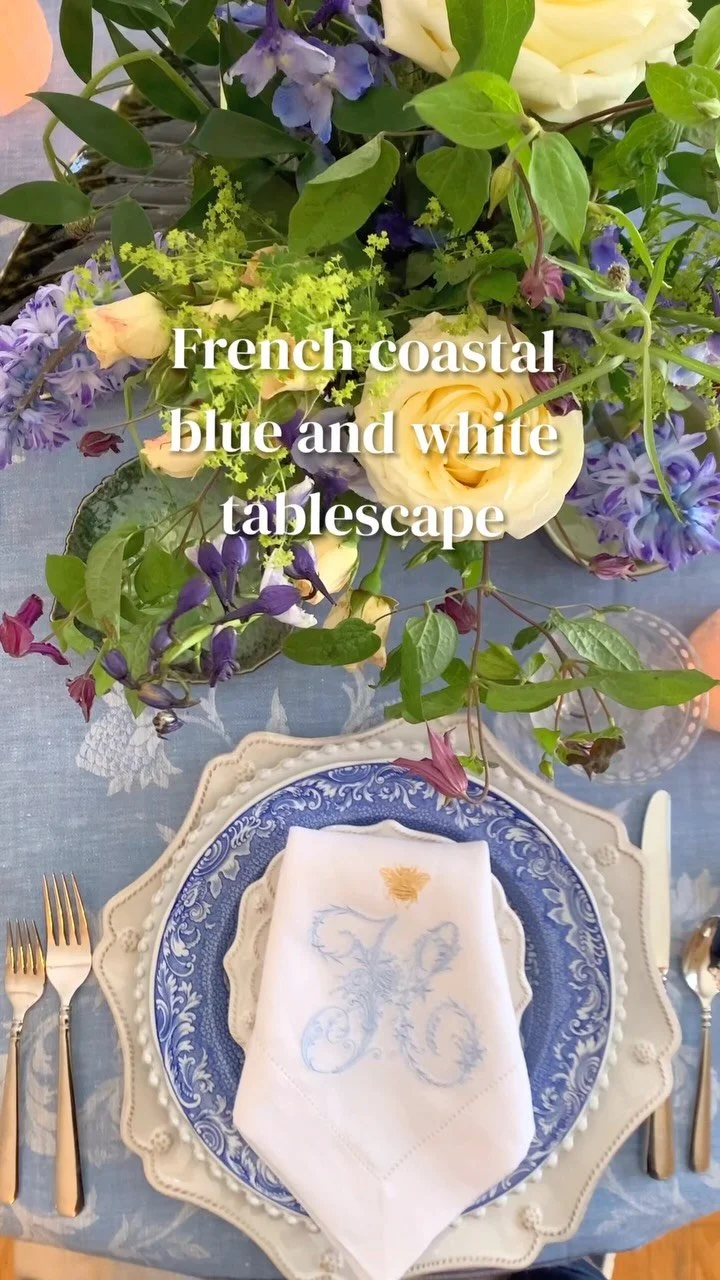
Bicoastal Elegance: A Fusion of East Coast and West Coast Design

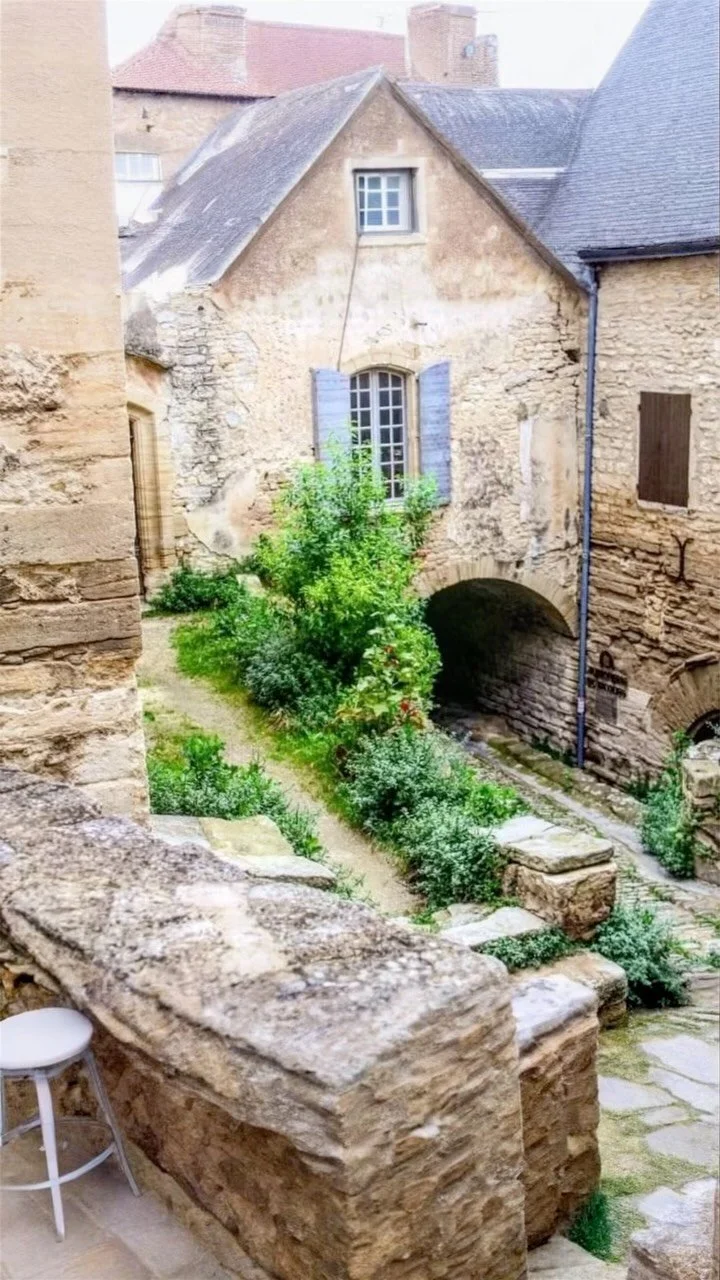
Stunning interior space with all three design elements found in a bi-coastal home and touches of Provincial warmth. Elegant yet still laid-back, with beautiful touches found in Provence.
Our homes are more than structures. They are living narratives, expressions of who we are and where we have been. I believe in crafting spaces that resonate on a deeper level, drawing inspiration from diverse landscapes to create a home that feels both grounded and expansive, a true sanctuary shaped by experience.
The Distinct Voices of Bicoastal Design
Each region brings its own design language, history, and rhythm. When thoughtfully layered together, these voices create a home that feels collected rather than themed.
East Coast: Refined Structure and Timeless Elegance
Rooted in history, East Coast interiors speak to tradition and structure. This aesthetic favors more formal layouts, tailored silhouettes, and classic materials such as velvet, silk, and polished wood. The color palette leans toward deep blues, sophisticated grays, and rich, layered neutrals. There is a sense of permanence and quiet confidence in these spaces, an elegance that does not chase trends.
West Coast: Relaxed Living and Natural Connection
West Coast design embraces openness and ease. Open floor plans, natural materials such as reclaimed wood and woven linens, and a palette inspired by land and sea define this sensibility. Warm neutrals, soft greens, and ocean blues create a feeling of lightness, while expansive windows blur the boundary between indoors and out. This is a style rooted in comfort and connection to nature.
Provence: Lived-In Beauty and Romantic Warmth
Provence introduces a softer, more romantic layer. Aged furniture, floral patterns, and natural fabrics like cotton and linen create spaces that feel welcoming and lived in. The color palette is drawn from the landscape itself, lavender tones, sun-warmed yellows, and earthy terracotta hues that echo fields, stone, and sky. Provençal design is never pristine; its beauty lies in patina and use.
Harmonizing Elements to Create a Cohesive Space
Though distinct, these styles share a deep appreciation for nature, comfort, and beauty. The harmony comes from focusing on what they have in common rather than their differences.
Natural Materials as a Foundation
Natural materials ground a bicoastal home and create continuity across styles.
Polished hardwood floors and stone accents nod to East Coast tradition
Raw wood elements, woven fiber rugs, and linen upholstery reflect West Coast simplicity
Aged wood furniture and handwoven baskets bring Provençal warmth

These materials create a sense of authenticity and well-being, allowing a space to feel both elevated and approachable.
Sunlight streaming through large windows illuminates a living room where polished floors meet crisp linen upholstery. An aged wood coffee table anchors the space, while subtle details quietly tell the story.
The Role of Light in Bicoastal Interiors
Light is one of the most powerful design elements in a home.
Layering Natural and Ambient Light
Maximize natural light with sheer window coverings or minimal treatments. Then layer warm, ambient lighting through a mix of rustic iron fixtures, modern lamps, and natural fiber pendants. This balance creates an atmosphere that feels open, serene, and restorative.
Texture as a Unifying Language
Texture is where these design styles truly meet.
Layering for Depth and Comfort
Combine the tailored richness of East Coast velvets with the relaxed softness of West Coast linens and the rustic charm of Provençal cottons. Layer rugs, throws, and pillows to add depth and tactile interest. The result is a space that feels visually engaging and deeply comfortable.
The Language of Color and Emotional Balance
Color can shape how a space feels.
Creating a Balanced Palette
Begin with a neutral foundation of warm whites or soft grays. Introduce accent colors that reflect each region, deep blues, ocean greens, and gentle lavender tones. Consider the emotional impact of each hue: blues for tranquility, greens for connection, and lavender for serenity.

Color palette and design by MERZE Lifestyle.
To explore this palette further, visit The Design Edit: A Warm, Wellness-Driven Palette Inspired by Coastlines & Provence.
Storytelling Through Decor and Objects
The most meaningful interiors are layered with story.
Personal Objects That Anchor a Space
Antique finds, artisan-crafted pieces, and vintage floral patterns add soul and individuality. Blending traditional and modern furniture creates a space that feels personal rather than prescribed. Filling a home with meaningful objects cultivates emotional connection and a sense of belonging.
A Sanctuary of Balance and Well-Being
This blend of East Coast sophistication, West Coast serenity, and Provençal warmth creates a home that nurtures well-being. Natural materials ground the space, light softens it, and color adds emotional resonance.

Structured sofas upholstered in neutral linen strike a balance between formality and ease. Floral textiles quietly reference Provence, while the overall composition feels calm, intentional, and lived in.

Our homes become reflections of our journeys. When we allow diverse influences to coexist, we create spaces that nourish the soul and invite us to truly live within them.
To learn more about the psychology of color in interior design, visit Color Psychology Behind Interior Design: How to Choose the Right Colors for a Relaxing Space.
“Authenticity in design is found in the blend, not the isolation. Weaving diverse influences creates a home that truly breathes”
For more on how bicoastal design comes to life in practice, read Creating Wellness Through Design: A Coastal California-Inspired Home
“May your home be a place where friends meet, family gathers, and love grows.
”
Enjoy my Bicoastal color palette video. Let me know which color you like the most.
Design with your heart™️
Have a beautiful day, my friends!
Mary
Shop our Boutique
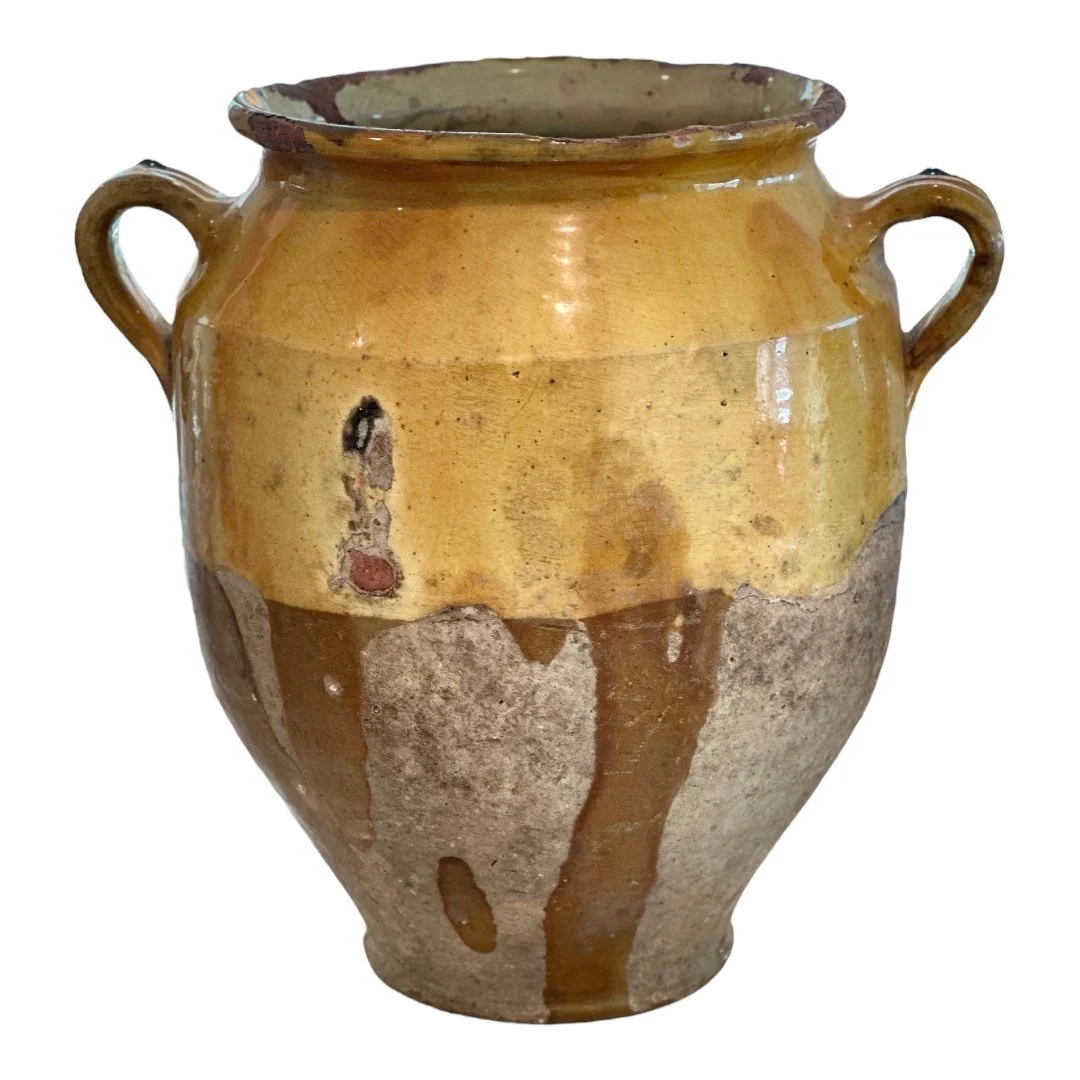
RARE Antique French Confit Pot
Dimensions
Height: 11 in.
Diameter: 11 in. (includes handles)
Medium French terracotta confit pot. Traditional earthenware pottery confit pot from South West France with mostly yellow with a little green drip of glaze.
This vessel was used from the 19th century to conserve food. Finding green drippings on a glazed confit pots are fairly very rare.
This sweet confit pot is very decorative. Good patina and with stunning yellow and green color glaze.
Good vintage condition for it's age. Crack on the lip. Chips on handle, lip and base.
Objects like this antique confit pot carry the quiet history of the homes they once lived in. Their softened lines and timeworn patina bring depth and character to modern spaces, reminding us that the most meaningful design often comes from pieces that have been lived with, handled, and cherished over generations.