What the Garden Remembers
A meditation on flowers, mothers, heritage, and the women who came before.
It is the first week of May in Connecticut. The lilacs are at their peak. The peonies are forming heavy buds. And the climbing rose from my husband's family has begun to put out its first pale leaves on the trellis, preparing for the season ahead. Every spring I walk through this garden and I am quietly aware that I am not the only woman tending it. Every plant here carries another woman's hands.
This is what I have come to understand about gardens. They are not just places where things grow. They are living archives of the women who came before us. And as another Mother's Day approaches, I find myself thinking about what the garden remembers.
The Climbing Rose That Came Through Women
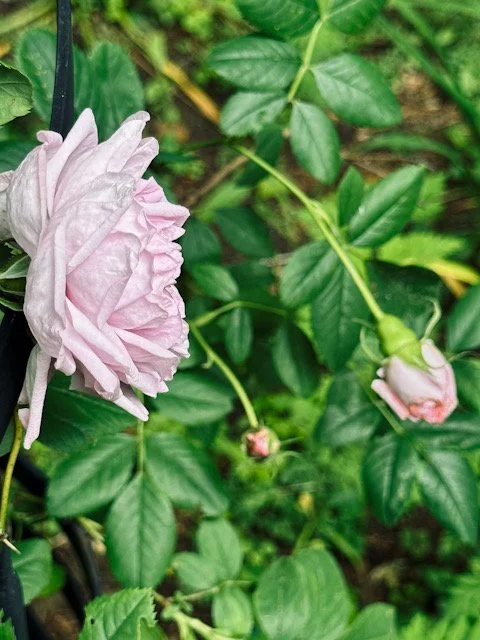
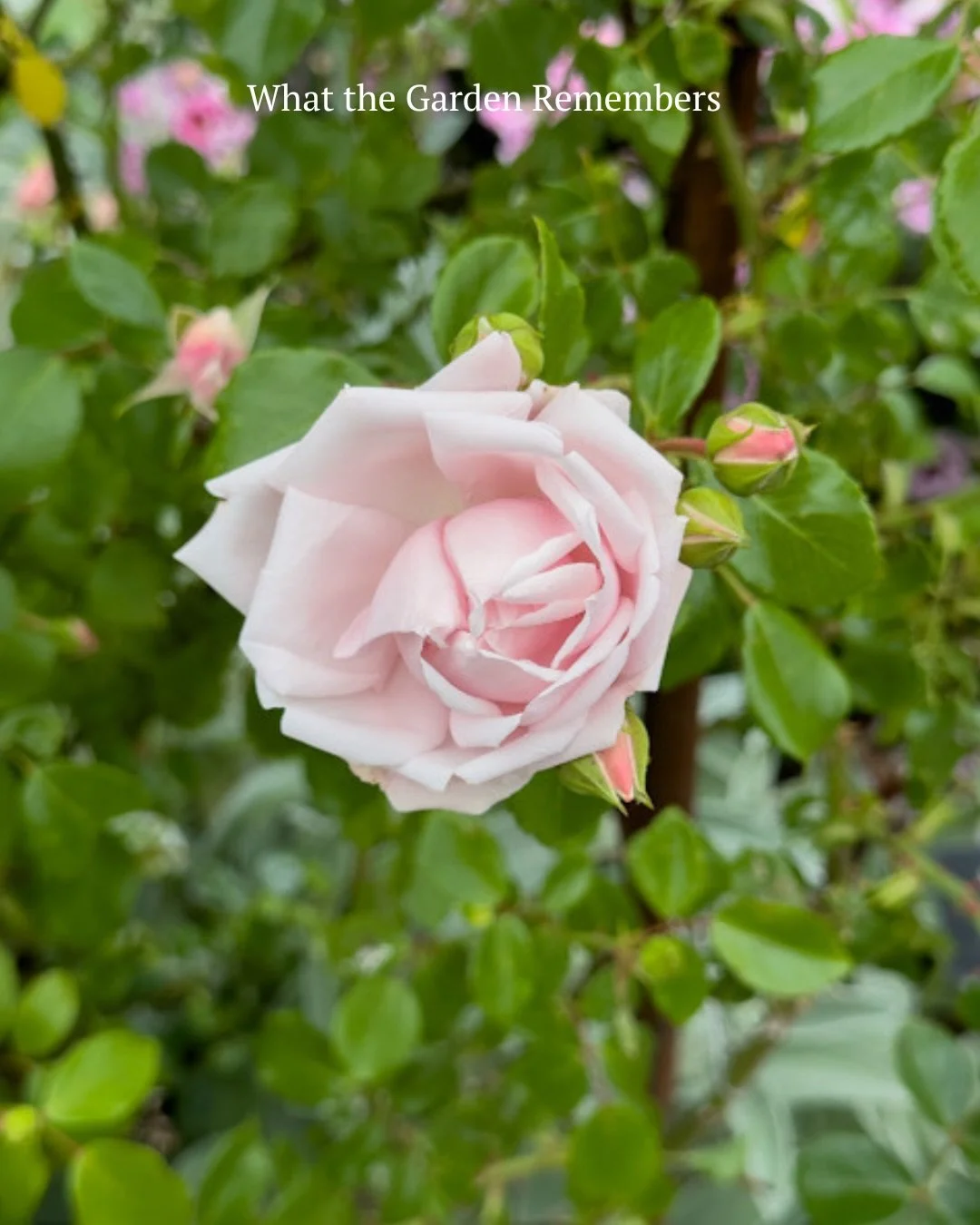
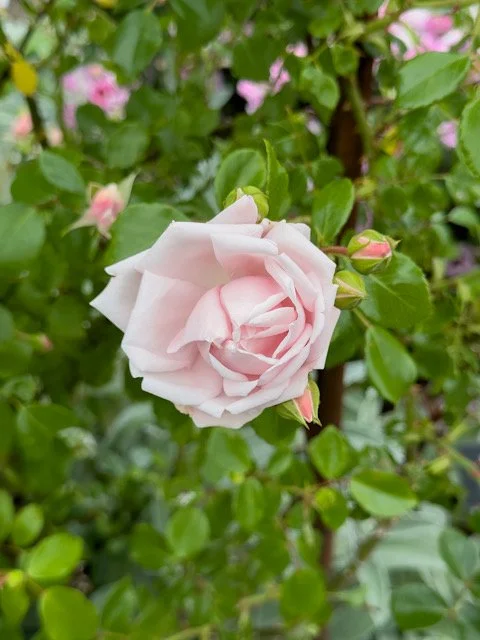
Three stages in one frame — a bloom, a bud, and one already spent. This rose moves quickly through its life cycle. I have learned to pay attention or miss it entirely.
The climbing rose on one of my trellises began its life four generations ago in the garden of my husband's great-great-grandmother. I do not know exactly where she planted the original. I do not know what her hands looked like or what she wore on the day she first planted the root. But I know she planted it. And I know that when she died, her daughter took a cutting and planted it in her own garden. And when that daughter died, her daughter took a cutting. And when that daughter died, my mother-in-law took a cutting. And when my mother-in-law was ready, she gave me a cutting.
This rose requires careful tending. It is not a plant that thrives on neglect. It needs pruning, attention, the right placement, the right watering, and the right hands. Each woman in this lineage has given it those hands. The cutting alone would not have survived four generations. The willingness to care for a demanding plant has survived alongside it. The rose continues because the women have continued to choose to do the work it asks for.
When it is in full bloom, it is stunning. The blooms themselves are small. They open, they release a fragrance more intense than any other rose I have ever known, and they fall. Then more come. The plant blooms in waves through the summer, each wave brief, each wave returning, each wave leaving fragrance behind that the larger, more spectacular roses cannot match. The David Austin on another trellis carries lusher blooms in fuller flushes. But this rose, when it gives, gives something that David Austin cannot.
Now it climbs the trellis in my Connecticut garden. Same plant. Same lineage. Different soil. A different woman is tending it. The scent that rises from this trellis in June is the same scent that rose from a trellis somewhere over a hundred years ago. The bloom that opens this year is genetically continuous with a bloom that opened in another woman's garden long before I was born.
My daughter loves to garden. She will likely take a cutting from this rose someday for her own home. She will also inherit the work of tending it. The rose will continue because she will continue to choose what every woman in this lineage has chosen — to give a demanding plant the care it asks for. Five generations of women will have tended it by then. None of us will have known each other in the same lifetime, but the rose will know us all. It carries the memory in its roots and releases it as fragrance every June.
The Flowers My Daughter Gave Me
When my daughter was small, she would bring me flowers every Mother's Day. Sometimes from a shop. More often, the simple kind that little girls find in yards and along sidewalks. Dandelions. Violets. The first wild blooms of spring. She would press them into my hands with the seriousness of a child making an offering she believed mattered.
I planted everything she gave me that could be planted. Some of those plants are still here. They became permanent fixtures in the garden. Every spring, they bloom again, twenty-something years after she handed them to me as a little girl.
She does not always remember which plants she gave me. I do. I see her hands in everything when I walk through the borders in May. The garden remembers what she gave even when she has forgotten.
This is one of the quiet miracles of a garden. It holds the gestures of the people who once placed something in the ground for you. The plants outlive the small moments that brought them here. The garden becomes the keeper of love that even the giver may not remember offering.
My Mother and the Tours She Took
Her name was Claire. The name itself is French — the feminine form of clair, meaning bright or clear. She was both. Bright in her beauty. Clear in her love. Her name carried French heritage even before the rest of her life made the heritage visible to me.
She married at twenty and had eight of us. Before that she had worked at a Hartford department store and modeled for them. She was stunning in the photographs from that time. As she became the mother of eight, the modeling stopped, but the eye for beauty did not. Our house was the kind you could eat off the floors of, even with eight children coming and going. The linen curtains in the bedroom where I napped as a small child billowed in the breeze with a softness I have spent the rest of my life trying to recreate in every room I have ever called mine.
She loved my garden. Whenever she visited, we would walk through it together. She wanted to know what was blooming, what I had added. What had returned. She walked slowly because she was tired by then, and slowly was also how she had always preferred to look at things. She paid attention. She mouthed Wow the way she had mouthed Wow at the kitchen table when I was climbing the corporate ladder and bringing her stories of my days.
She spoke French to us. She cooked the dishes of her heritage. She told us stories of where we came from along with my father, and somewhere in the telling, I absorbed the sense of beauty as inheritance, of heritage as something carried through women across time.
She died in 2019. The active grief is gone now. What remains is the steady awareness that the woman I told everything to is no longer here to hear anything. She was my confidant. The bond between a daughter and that particular kind of mother is impossible to describe to anyone who has not lost it. It is a missing link in the soul.
What I Bring Her on Mother's Day
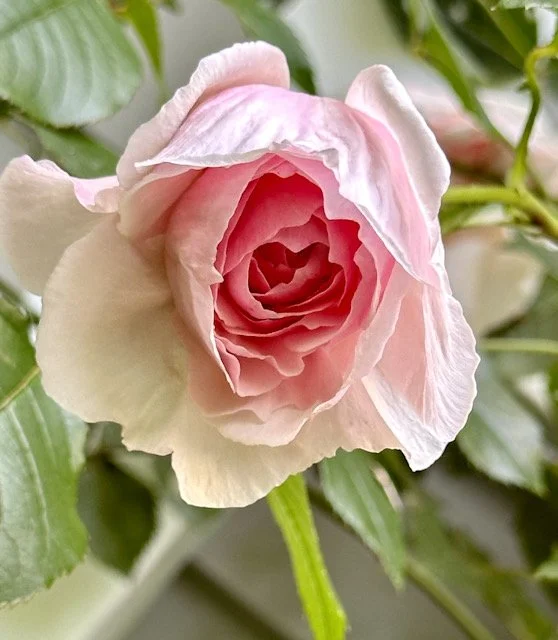
Every Mother's Day, I cut flowers from this garden and bring them to her grave. Whatever is blooming. Lilacs, if they are still holding. Peonies, if they have come early. The first hydrangeas if the season is generous. I added a few stems I have purchased to fill out the bouquet.
I always wrap the bouquet in a ribbon, tied in a soft bow. Claire loved that. When she was living, every bouquet I brought her was wrapped this way. I would not arrive at her door without the ribbon. The bow was part of the gesture, the small finishing detail that turned cut flowers into an offering. She noticed. She would untie the bow slowly, smiling, the way she did everything that mattered to her — slowly, paying attention, making space for the small ceremony of receiving.
I still tie the bow. She is no longer here to untie it, but I tie it anyway. The ribbon is part of how we have always known each other. I am not going to stop now.
I bring the wrapped bouquet to her grave and sit with her for a while.
The Family That Carries Forward
This year, on the day before Mother's Day, my husband and I will drive to New Jersey to spend the day with his mother. She is still alive, and I have learned the value of cherishing what is still here while it is. You do not understand what it costs to lose a mother until you have done it. The cherishing of living mothers is one of the gifts that come from the loss.
She is the link to the climbing rose. Her grandmother's grandmother planted the first of them. Her hands carried the cutting forward to mine. When I sit with her in her New Jersey home, I am with the woman who has continued a lineage of careful tending for more than a century. I tell her again that the rose is preparing for its season.
The next morning, we will drive home to Connecticut. I will go to my mother's grave with the wrapped bouquet. Then I will gather with my extended family to celebrate Mother's Day together. My daughter will be there. My sister and her family. The women who are still here. Three generations of women in one room, the way Claire loved most of all.
The Celtic Lineage That Lives in My Daughter
My French heritage comes from Brittany. So does my father's family. Both of my parents traced their roots to the same Celtic peninsula on the Atlantic coast of France. My husband's heritage is Irish.
For most of our marriage, these have felt like two distinct lineages — French on my side, Irish on his — and we have honored both in the home we have made together.
But Brittany and Ireland are not distant cousins. They are the same Celtic people. When the Roman Empire fell, and the Angles and Saxons invaded Britain in the Dark Ages, many Britons fled south across the sea to a region in Gaul called Armorica. They made new lives there. The land became known as the country of the Britons. Today, we call it Brittany. The Bretons and the Irish are the same Celtic blood that took different paths during the same historical migrations.
My daughter has red hair. So do members of my family on both my mother's and my father's sides. So does my husband's family in Ireland. The red hair is a visible marker of Celtic ancestry, concentrated in Ireland, Scotland, Wales, and Brittany — the four Celtic homelands that share a common root culture dating back thousands of years.
When I look at my daughter, I see two Celtic lineages converging. The Brittany line on my side doubled through both of my parents—the Irish line on my husband's. Two streams of the same ancient water meet in one woman with red hair, tending her own garden someday.
This is not abstract heritage. This is the continuation of specific Celtic women across centuries who tended their own homes, loved their own children, and passed forward what they treasured. The climbing rose that came from my husband's great-great-grandmother is a literal artifact of that continuation. So is my daughter's red hair. So is the way we set tables, tend gardens, and gather women around us.
What This Has to Do With Merze
This is the foundation of who I am. It is also the foundation of what I have built at Merze.
Merze is compassion for heritage and love for one another. It is a French heritage that runs deep within the soul. It is honoring what we love.
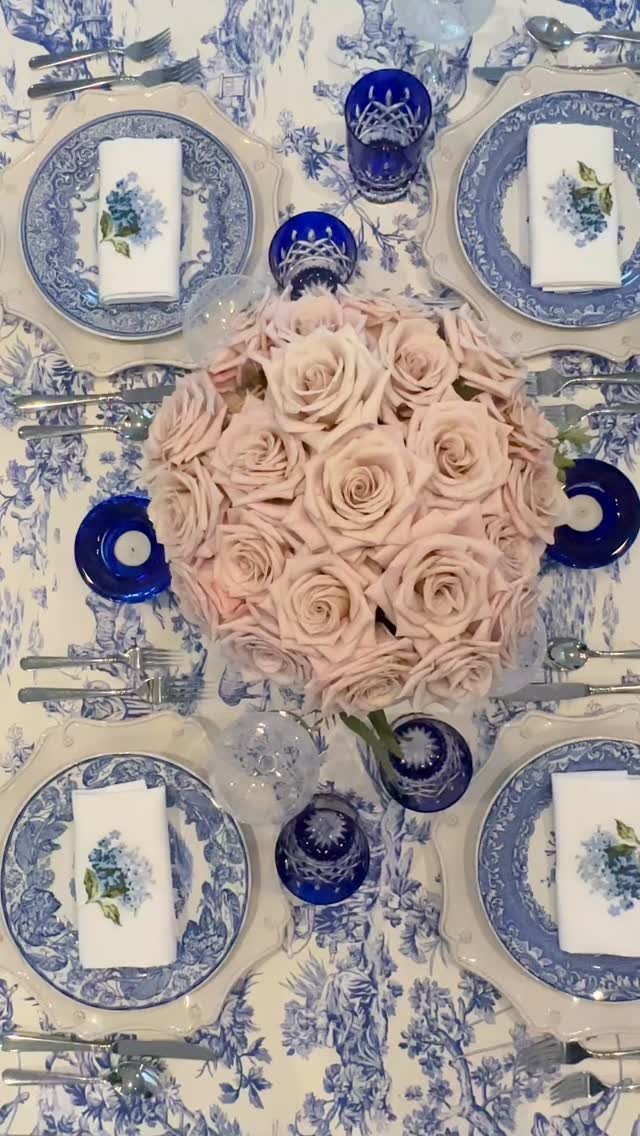
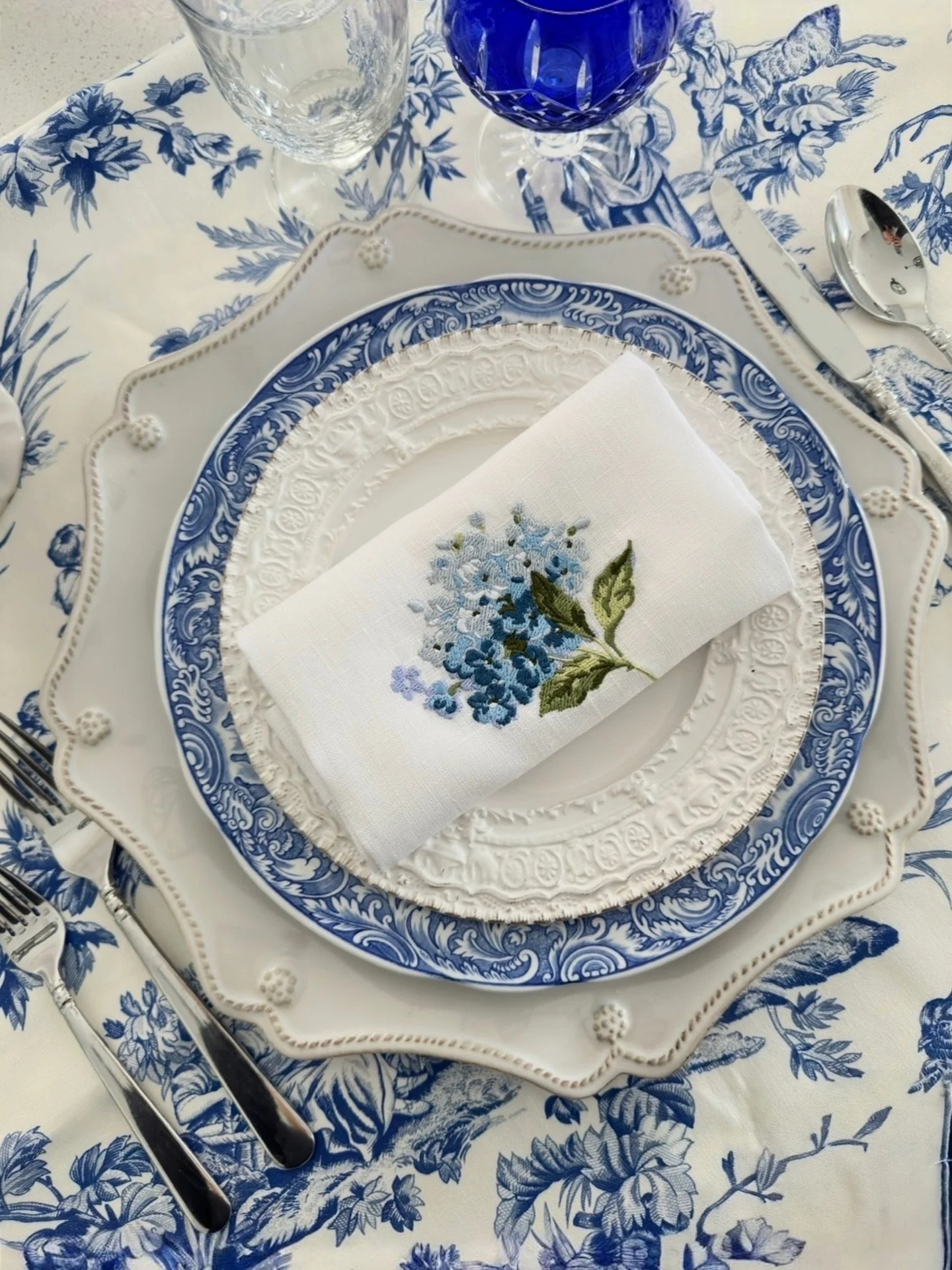
Every choice I make for Merze comes from this place. The boutique objects I curate are chosen for their heritage and the women who made them. The journal entries I write come from the lineage of women who taught me to see beauty as inheritance. The tablescapes I design honor my mother and the Celtic women who came before her, all the way back through the centuries to women whose names I will never know.
When I design a table, I am setting a place for the women who came before me. When I tend my garden, I am keeping their hands alive. When I write to other women through the Merze Journal, I am extending the Wow my mother gave me at the kitchen table to women whose stories deserve the same generous attention.
This is what I mean by generational gratitude for truly seeing each other's souls. It is not poetry. It is the actual practice of honoring the women who came before us by passing forward what they planted, cooked, tended, and loved.
What Will Bloom This Mother's Day
This year on Mother's Day, I will cut what is blooming. I will tie the bow. I will bring the bouquet to my mother. I will sit with her. The next morning I will spend with my husband's mother in New Jersey before coming home to celebrate with my extended family. My daughter will be there with her red hair catching the light.
Next year I will do the same—the year after I will too. Eventually, my daughter will tend her own garden, and the lineage will move forward. She will likely take a cutting of the climbing rose. She may also take cuttings of the lilacs and the peonies. The garden will travel forward to a place I have not yet seen.
This is how women honor each other across time, through the simple act of tending what was given to us and giving forward what we have grown.
The garden remembers. So do I. So does Merze.
“May your home be a place where friends meet, family gathers, and love grows.”
Live beautifully. On purpose.
Design with the Heart™.
— Mary
Design with your heart™️
À bientôt, Mary