
Shining a Spotlight on Team Excellence: The Heart of Interior Design Success

In the glamorous world of interior design, where creativity knows no bounds, it's easy to be captivated by the final masterpiece. The flawlessly curated space, the harmonious blend of colors, and the seamless integration of elements – it's a vision brought to life. Yet, behind every stunning creation, the lead designer's possession of emotional intelligence stands as the unsung hero, shaping the collaborative journey and ensuring the success of the entire design team.
Behind every awe-inspiring design, there's an ensemble of talented individuals whose dedication and expertise have played a pivotal role. It's time for interior designers to shed the spotlight on the team and embrace the power of collective acknowledgment.
In the dynamic landscape of diverse industries, the refusal to recognize and celebrate the collective efforts of a team, whether it's in design or any completed project, is a dangerous path that leads not only to professional failure but also to the erosion of trust, collaboration, and ultimately, sustainable success in business.
I get it; while savoring the accomplishment of seeing your design vision materialize is undeniably gratifying, it's crucial to acknowledge the invaluable contributions of the team humbly. Every member's dedication, including the countless hours worked together, is integral to the collective success, making it a shared achievement worthy of recognition and celebration.
In my nearly four decades of navigating the corporate world, from engaging in low-level tasks to steering strategic projects and programs, and now, as the proud owner of my own interior design business, I've witnessed firsthand the repercussions of not recognizing a team's contributions. Let's delve into the potential harm caused by claiming sole credit for a design or, in that case, any project, exploring how it can profoundly impact the reputation of the lead in any project.
Damaged Professional Relationships
Withholding credit can strain professional relationships. Design is a collaborative effort, and not acknowledging the contributions of others may lead to resentment and a breakdown in trust.
Loss of Trust and Respect
Colleagues and team members expect acknowledgment for their hard work. When a designer takes credit for a project without recognizing the efforts of others, it can result in a loss of trust and respect within the design community.
Diminished Morale and Team Spirit
Design teams thrive on collaboration and shared achievements. When one team member takes sole credit, it can demoralize others and erode the sense of team spirit, leading to decreased motivation and job satisfaction.
Missed Opportunities for Collaboration
Design is an interconnected field, and networking plays a crucial role. Failing to credit collaborators may result in missed opportunities for future collaborations, as other professionals may be hesitant to work with someone known for not acknowledging contributions.
Legal Repercussions
In some cases, failing to credit collaborators might lead to legal issues. If the uncredited contributor substantially impacts the design and can prove their contribution, they may have grounds for legal action.
Negative Public Perception
In today's interconnected world, word spreads quickly. If a designer is known for not giving credit where it's due, it can lead to negative publicity, damaging their professional reputation.
Impact on the Design Community
Designers often operate within a community that shares information and experiences. Reputation matters, and failure to credit collaborators can lead to isolation within the design community, making it challenging to establish positive connections.
Lack of Recognition for Future Opportunities
Designers often rely on their portfolios and past work to secure future projects. Without proper acknowledgment, designers may struggle to showcase their true capabilities and miss out on valuable opportunities.
The Illusion of the Solo Star
In the age of social media and individual branding, the allure of being perceived as a solo design virtuoso is understandable. The narrative of a single creative mind orchestrating every detail creates a compelling story. However, it often leads to a distorted representation of the design process. The truth is that interior design is a collaborative art form that thrives on the synergy of diverse skills and perspectives.
The Unseen Heroes: Who's Behind the Curtain?
Architects and Space Planners
Craftsmen and Artisans
Project Managers
Collaborative Designers
Client Input
The Power of Acknowledgment
Fostering a Collaborative Culture
Acknowledging every contributor cultivates a culture of collaboration. Designers who appreciate and highlight the collective effort inspire a sense of unity and shared achievement
Inspiring Future Talent
By crediting the team, experienced designers become mentors who inspire emerging talent. The next generation learns the value of teamwork and the art of giving credit where it's due.
Building Lasting Relationships
Recognition creates a bond among team members. It fosters an environment where professionals are eager to collaborate again, knowing their efforts will be acknowledged and celebrated.
Embracing Collective Success
In interior design, every project is a symphony of talents and skills, each note contributing to the melody of the final design. It's time for designers to step out of the shadows and illuminate the entire stage, acknowledging and celebrating the brilliance of every individual who played a part. A design’s true beauty lies in its visual appeal and the collaborative spirit that brought it to life. As the saying goes, "Teamwork makes the dream work," and this couldn't ring more authentic in the world of interior design. Let's celebrate the collective success, where each contributor deserves their moment in the spotlight.
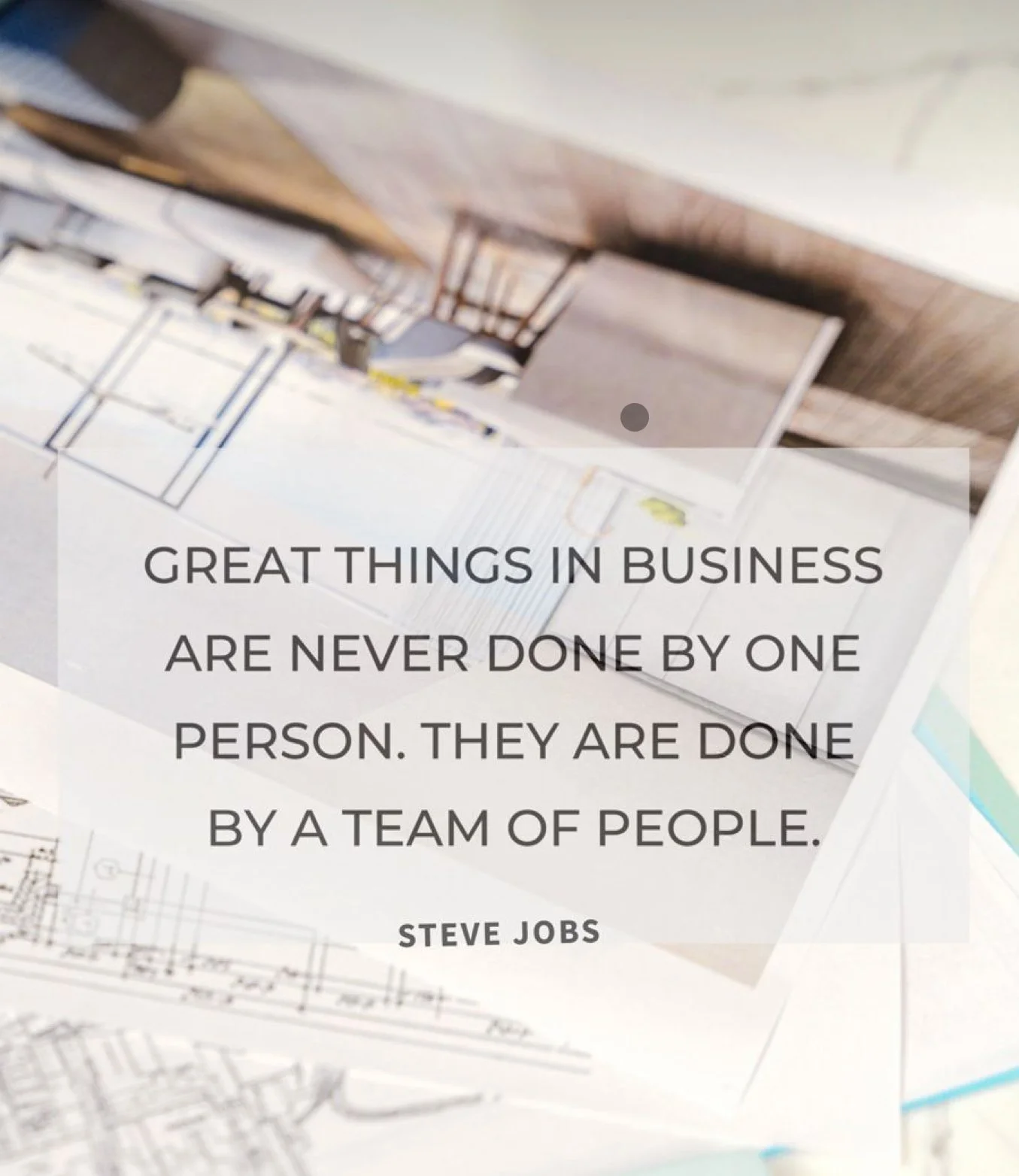
Ultimately, I assure you that the lead interior designer, recognized as a true leader, earns well-deserved commendation. Recognizing the team’s input to the design showcases effective leadership, collaboration, humility, a customer-centric approach, visionary thinking, adaptability, and the ability to bring together diverse talents. This affirms that true success in design is a collective effort, deserving recognition, and underscores the lead's emotional intelligence, which is crucial for steering any great team.
“may your home be a place where friends meet, family gathers, and love grows.”
Happy designing, my friends!
Mary

