Infusing Interiors with Coastal and Provençal Design Aesthetic Elements
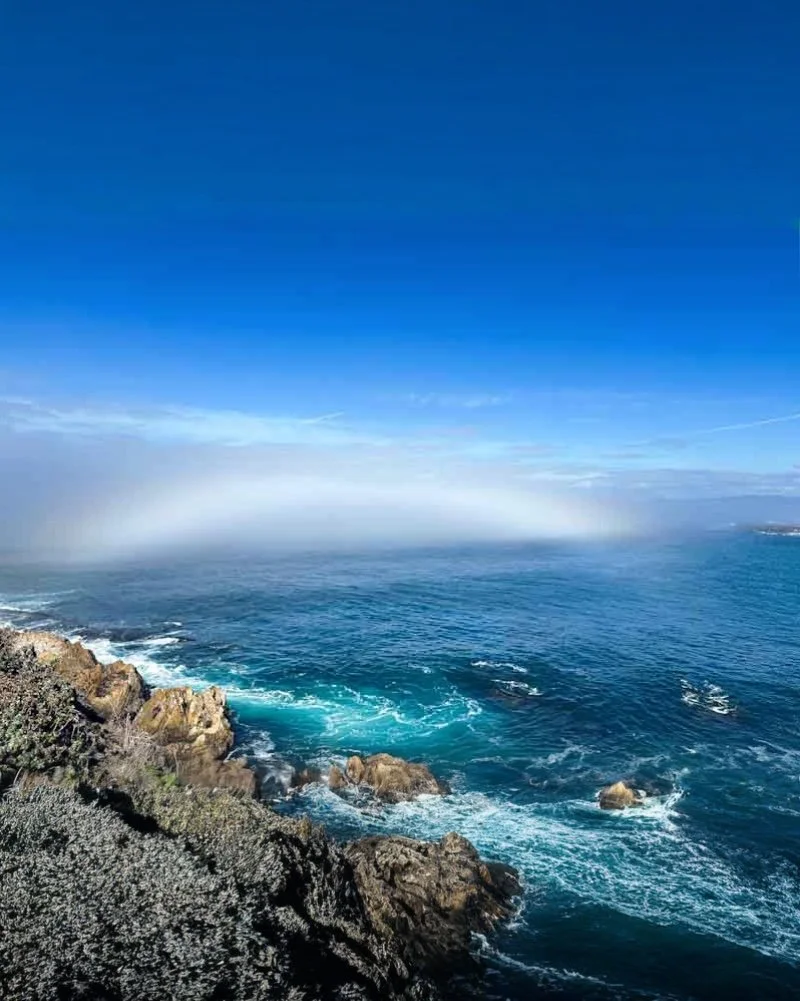
Photo by MERZE Lifestyle
Something about the ocean continually fuels my creativity. Whether it’s the deep blues of the Atlantic or the shifting hues of the Pacific, the water brings both clarity and inspiration. The rhythmic crash of waves, the endless stretch of sky meeting sea—these elements have shaped my artistic vision just as much as the textured landscapes of the places I call home.
Living on both the East and West Coasts of the United States has given me a unique perspective, blending tradition with discovery. Yet beyond these shores, Provence has added another dimension to my design philosophy—one steeped in warmth, history, and the art of slow living. These landscapes are more than places; they are experiences, layers of time and texture that have influenced my creative process in ways both tangible and profound.
A Tale of Two Coasts: The Textures, layers, and colors
The Atlantic
With its deep roots and storied past, the North East Coast has been my home since birth. New England’s rocky shores, historic architecture, and crisp ocean air create a sense of permanence. The Atlantic’s steady rhythm, deep navy blues, and the lush hydrangeas shifting between soft blues, purples, and pinks define the landscape’s quiet transformation. These elements influence the way I think about depth and movement in design.

New England Shoreline by Getty Images
The Pacific
By contrast, the West Coast is wild and unrestrained, where nature is constantly in motion. California’s Central Coast opened my eyes to a different beauty—rugged cliffs shaped by time, rolling vineyards, and the vast Pacific shimmering with endless possibilities. Here, colors evolve throughout the day, from the softest morning blues to the golden warmth of sunset. The cliffs reveal layers of history—strata of earth formed over thousands of years, each telling a story. These patterns remind me that design, like nature, is built in layers.
The wildflowers of California add another dimension to my creative process. Golden poppies set the hills ablaze in spring while lavender fields stretch beneath the sun. Deep fuchsia bougainvillea climbs against weathered walls, and delicate blue ceanothus softens the edges of rocky landscapes. Just as hydrangeas define the East Coast summer, these vibrant blooms capture the essence of the West, influencing my palettes and textures in instinctive and intentional ways.
Provence
Beyond the coasts, Provence holds a deep place in my heart. Traveling there was more than artistic inspiration—it felt like a homecoming. With French ancestry tracing back to the 1600s, stepping onto Provençal soil was like rediscovering a part of myself waiting in the sun-drenched hills and stone villages all along.
What draws me most to Provence is its warmth—not just in the golden light that bathes the landscape but in the way life unfolds. Time slows down here. Meals stretch into long conversations, beauty is found in the patina of an old wooden door, and lavender-scented breezes remind you to breathe deeply. The ochres, terracotta’s, and soft French blue shutters mirror the coastal tones I love, seamlessly blending into my designs.
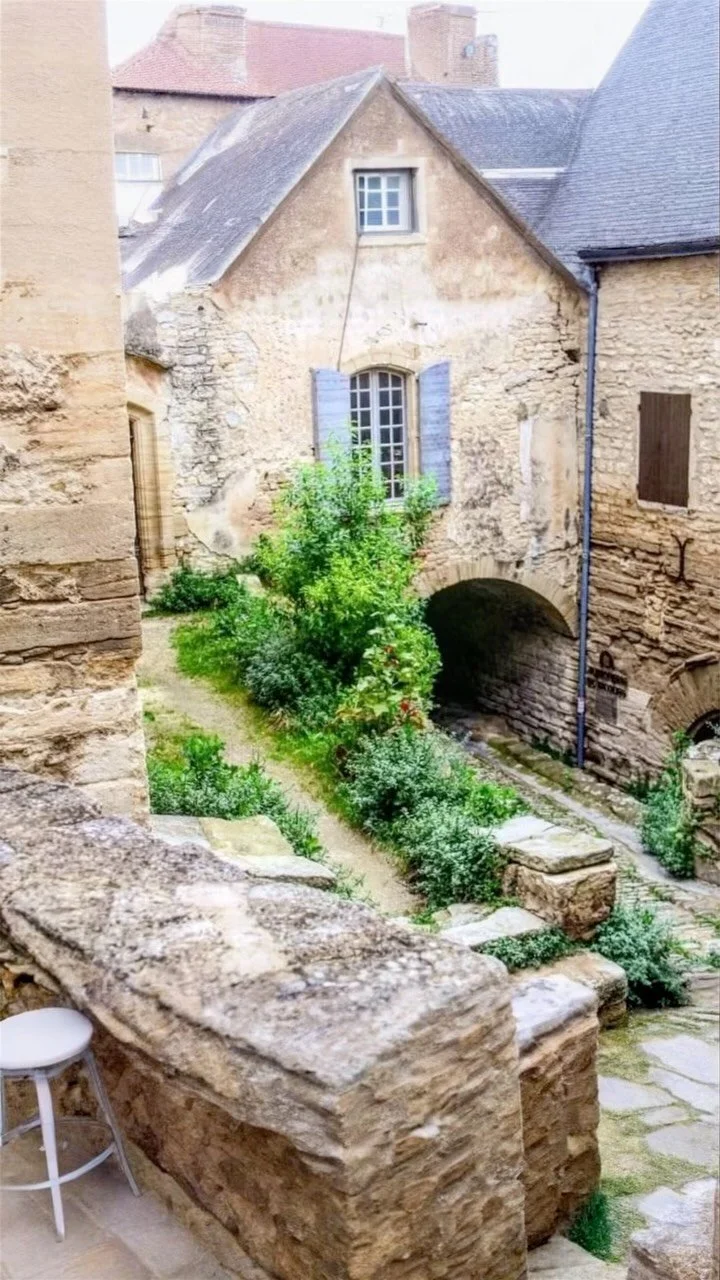
The textures of Provence—weathered stone walls, sprawling vineyards, and bustling markets—speak to the beauty of imperfection. Just as the cliffs of California reveal the passage of time, so do the cobbled streets and aged facades of Provençal villages. There’s an authenticity here, a richness that reminds me that design is not about perfection, but about telling a story.

Provence, France
Incorporating the warmth and patina characteristic of Provence can elevate interior design by infusing spaces with a sense of history and comfort. Drawing inspiration from a photograph of a Provençal flower market, consider integrating warm browns, soft pinks, and floral elements to emulate the region's inviting ambiance. This will only enhance the vibes that the East and West Coasts offer. Provence's sunlit warmth and aged finishes unify the design, adding depth and a lived-in charm.
Bringing Nature into Your Design - The BIOPHILIC Trend
Nature is the greatest artist, and its color palettes are effortlessly harmonious. Think about how blues, greens, and browns seamlessly merge in the landscape—the natural movement of the overall topography. You can bring this balance into your home by paying attention to the world around you.
Observe the textures of nature—how rough bark sits against smooth leaves or how waves create soft, undulating patterns and movement in the sand. These elements can translate into fabric choices, furniture selections, and room compositions. Use earthy tones for warmth, deep blues and greens for tranquility, and organic materials like wood, stone, and linen to add depth and texture.
The key is to slow down, take notice, and trust your instincts. Let your creativity lead the way, and let the beauty of the natural world shape how you curate your home.
Layers of Time, Color, and Meaning
One of the greatest lessons nature has taught me is that design, much like the landscape, is built over time. The cliffs of California, with their deep layers of sediment, tell a story of millennia. The boulders of the Northeast, worn smooth by centuries of wind and water, hold the quiet strength of endurance—the mountains of Provence, standing resolute under the Mediterranean sun, whisper of history and permanence.
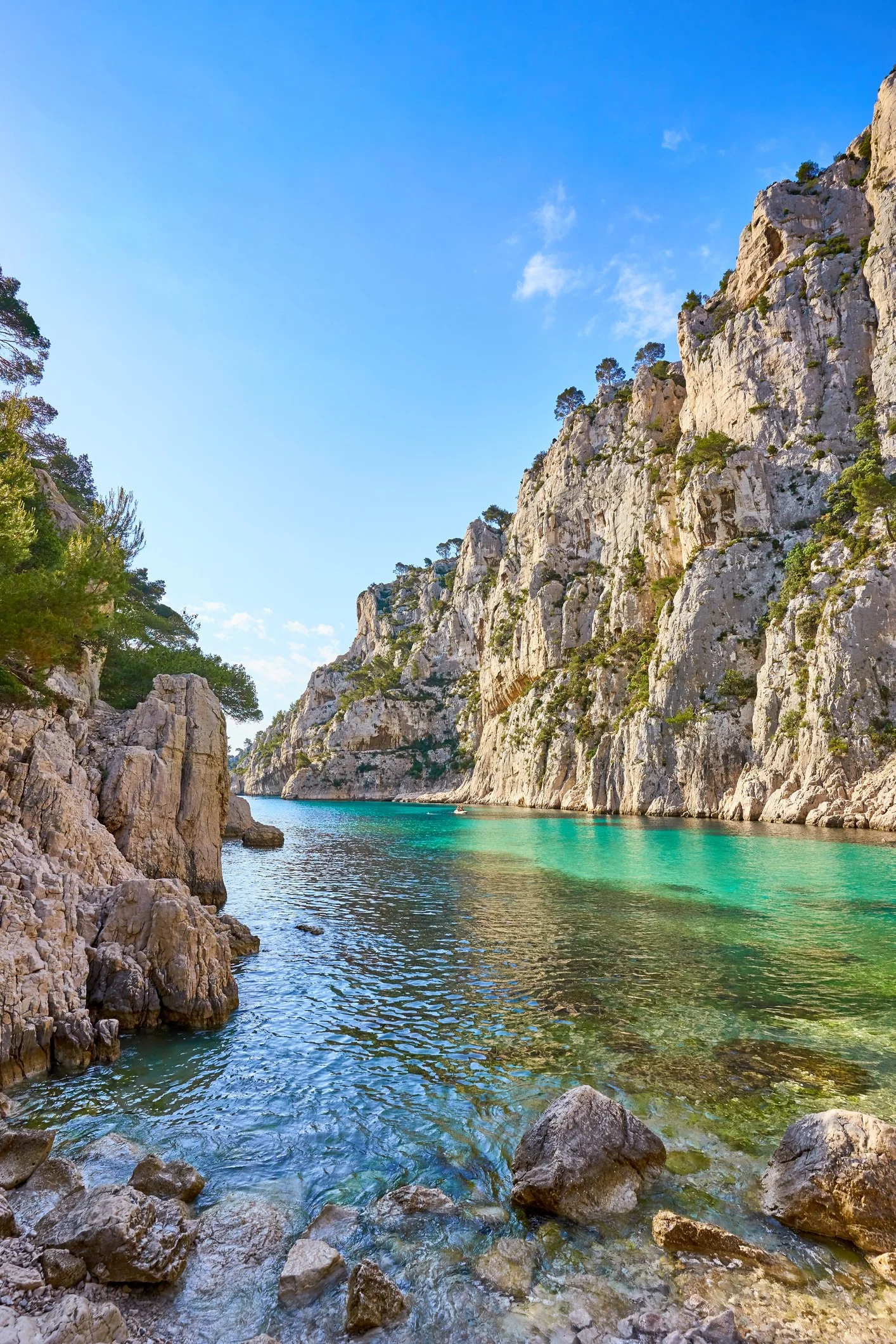
Mountains in Provence by Getty Images. Here you can find the natural layers found in the topography. It was created through time.

Products by Merze Lifestyle

Design and photo by MERZE Lifestyle
This design inspired my love for the Pacific coastline, but I added a few French elements. I have a beautiful antique olive oil jar imported from Provence, and the cabinet is modern French. All the small details, like the organic burl wood bowl, round teak root side table, and small blue pottery and vase, are just a nod to nature. I also added some additional antiques, such as the carpet and the Hans Wagner chairs from the 1960s. It’s all in the details
These natural elements inspire not just my color choices but also the very way I approach design—layered, intentional, with depth and nuance that evolves over time. Browns, warm earthy yellows, and rust from the cliffs; blues and greens from the ocean’s ever-changing surface; soft earth tones from Provençal villages—all of these hues find their way into my work, blending the natural world into the spaces I create.
The Art of Slow Living
One of the most profound lessons I have learned from my travels is that slow living is not just about a place—it is an internal experience. At first, slowing down feels foreign. In a world that celebrates busyness, stillness is often mistaken for idleness. But the more I allowed myself to be fully present—to inhale the salt air, to watch the light shift over the ocean, to listen to the wind move through the olive trees—the more I understood what it truly means to live intentionally.
It starts with the smallest details. Just as the morning light filters through linen curtains, so does the rhythmic motion of waves falling against the shore. The scent of lavender or peonies carried on a warm breeze. These moments of stillness, of noticing, are where creativity is born. They are the spaces where design takes root—not in haste but in thoughtful appreciation of what is already there.
Travel as a Creative Process
Every place I have lived and every journey I have taken has shaped the way I create. The crisp, classic elegance of the East Coast, the raw, organic beauty of the West, and the sunlit warmth of Provence and beyond all weave together in my work, creating spaces that feel lived-in, intentional, and deeply personal.
More than anything, travel has reinforced the importance of presence. You don’t have to go far to experience something magical. It can be in your backyard. You need to stay still for just a few brief moments to witness the magic.
Designing a home that reflects the tranquility and beauty of nature can create a serene and inviting atmosphere.
Here's a step-by-step guide to help you achieve this:
Select a Nature-Inspired Color Palette
You can start by choosing colors that evoke the natural world. Soft greens reminiscent of lush forests, gentle blues like clear skies, and warm earth tones like terracotta can create a calming environment. These hues enhance the aesthetic appeal and promote a sense of peace and relaxation.
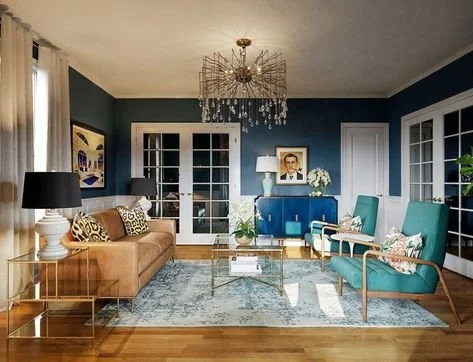
Designer: Casey H. Image found in Decorilla

Photo by Mary Madore-Hickey
This color palette can be found in the colors of the ocean and on land, whether on the North or West Coast.
This color palette came from my love for flowers. I am a gardener and try to incorporate colors from nature as much as possible.
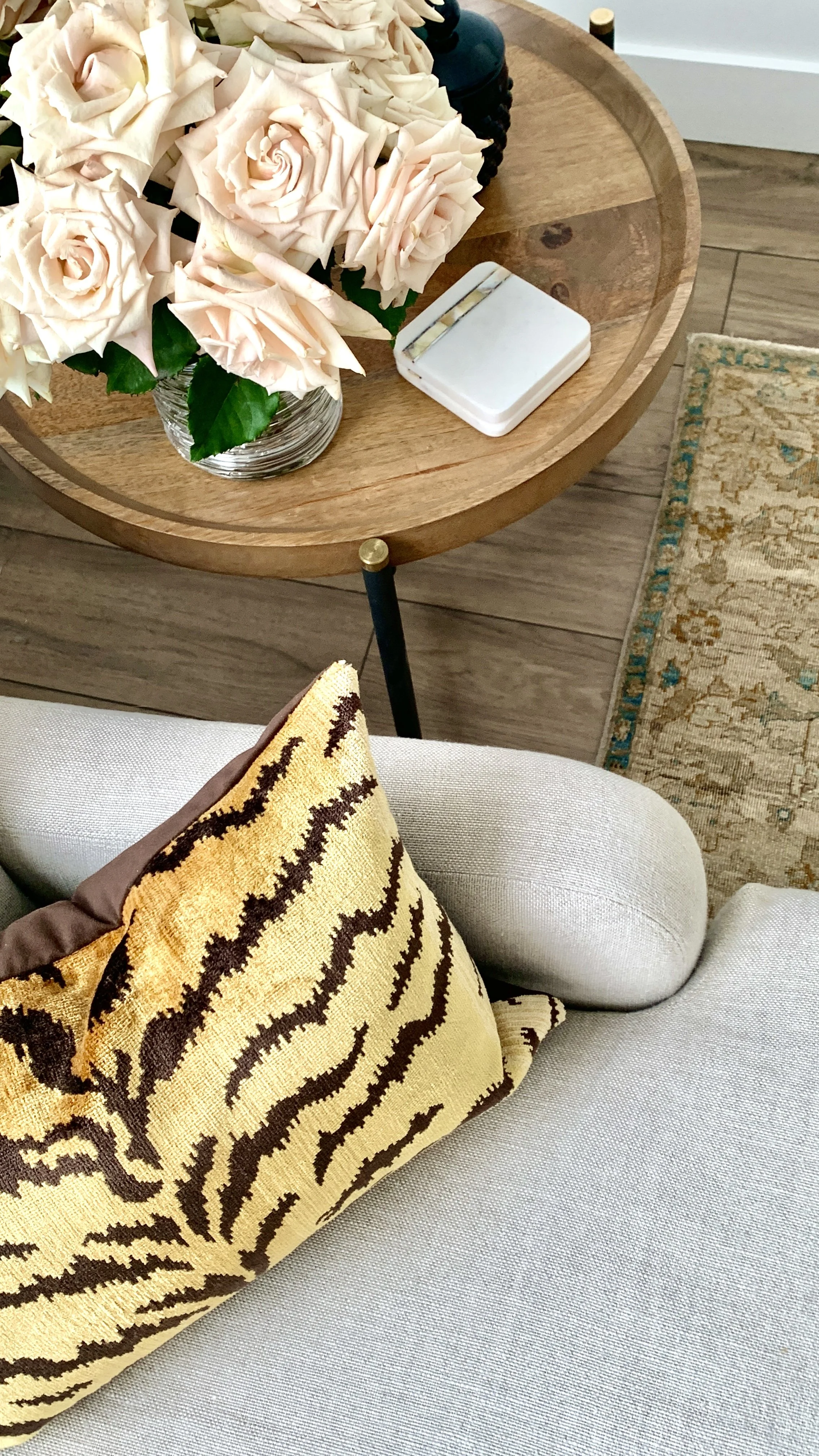
Design and Photo by MERZE Lifestyle
These are a few of the beautiful wildflowers grown in California. I wanted to incorporate these colors into the palette in my home on the West Coast. Although not as bold as the wildflowers, I did use elements of gold, yellow, pink, blue, and green.

Wildflowers of California from Getty Images
Incorporate Natural Materials
Integrate natural materials to add texture and warmth to your space. Consider using reclaimed wood for furniture pieces, stone for countertops, and linen for upholstery. These elements ground your home in natural beauty and contribute to a harmonious atmosphere.
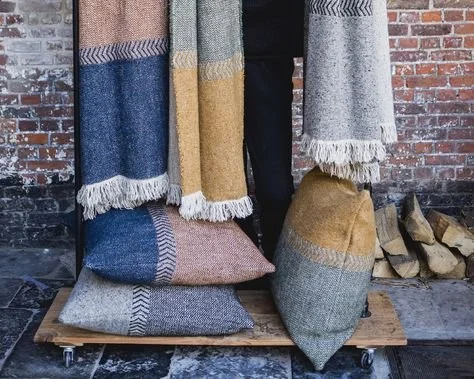
Image by Libeco

Photo by Merze Lifestyle
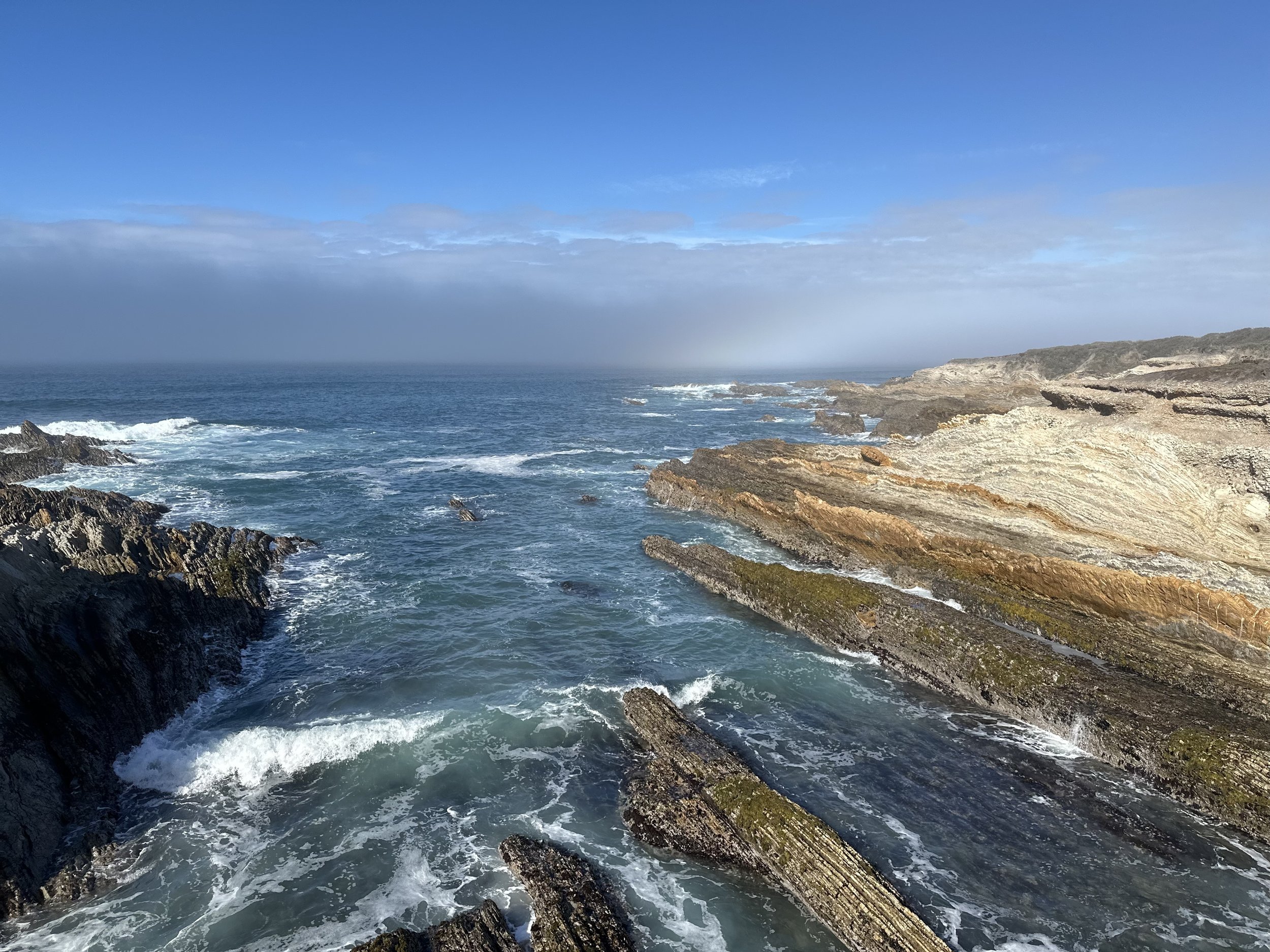
Design and Photo by Merze Lifestyle
Just using beautiful linen throws or pillows can make a big difference in bringing warmth to your home. In both of my photos, one of the New England coastline and the other of the Pacific, the textures and colors are represented in this beautiful group of organic linen products. It truly is all the little things that matter.
Maximize Natural Light
Allow as much natural light as possible to enter your home. Use light, airy window treatments like sheer curtains to let sunlight filter through, creating a bright and welcoming atmosphere. Create an outdoor space that is integrated with your indoor living space. This approach enhances the ambiance and improves your mood and well-being.
Add Indoor Plants
Introduce greenery with indoor plants. Plants like succulents or ferns purify the air and add a touch of nature indoors. Choose plants that suit your space and lifestyle to maintain a healthy and vibrant environment.
Introduce Natural Textures
Incorporating textures that mimic the outdoors can add depth and interest to your space. Woven baskets, jute rugs, and linen cushions can create a tactile connection to nature, making your home feel more grounded and inviting.
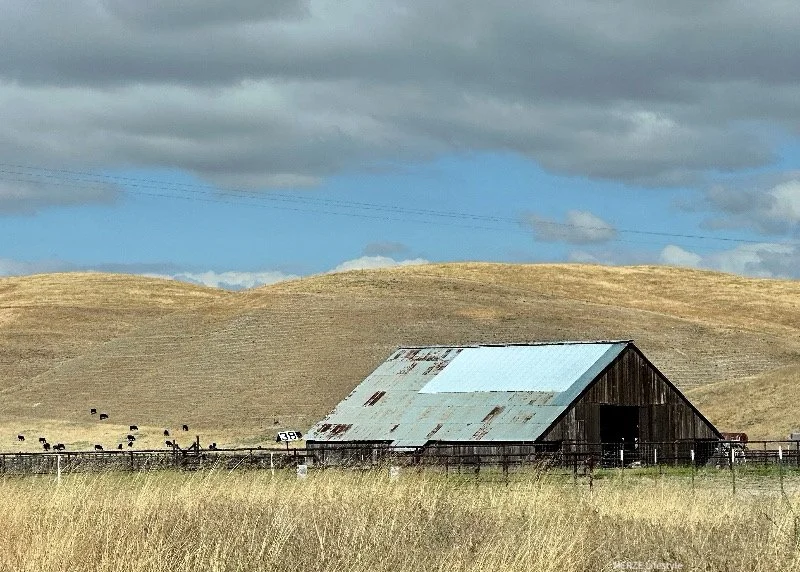
Photo by Mary Madore-Hickey
This is a photo I took of a ranch on the Pacific Coastline. I have this antique carpet in my home in California to represent the color palette found in the photo and other surrounding topography.

Design and Photo by Merze Lifestyle
To learn more about the Psychology behind interior design, read my blog: Color Psychology Behind Interior Design: How to Choose the Right Colors for a Relaxing Space
Incorporate Rounded Edges
Incorporating rounded edges in furniture design introduces a sense of softness and fluidity to interior spaces. Curved lines mimic the organic forms found in nature and can create a more inviting and comfortable atmosphere. By selecting furniture with gentle curves, you can foster a sense of harmony and tranquility in your home.

Jonathan Adler Photo found on Horchow.com

Photo by Mary Madore-Hickey
Observing the natural world reveals abundant circular forms, from the curvature of coastlines to the rings of tree trunks. For instance, this photograph of a New England waters showcases a rippling annd curving tide. These simple organic shapes can inspire interior design by incorporating similar curves and rounded elements, creating spaces that reflect the harmonious patterns found in nature.
To learn more about using a circular design, visit my blog, Designing with Grace: How to Embrace the Circular Trend in Your Home.
Create Outdoor Connections
If possible, design spaces that connect seamlessly with the outdoors. Sliding glass doors leading to a patio or a balcony garden can blur the lines between indoor and outdoor living, enhancing the natural feel of your home.
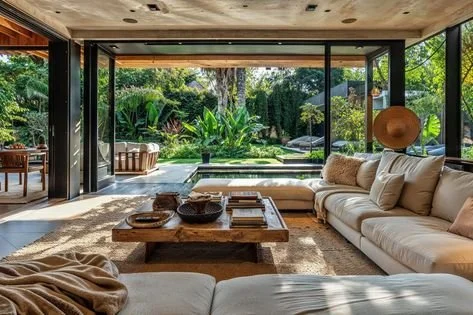
Incorporate Natural Fragrances
Use natural scents like lavender, eucalyptus, or citrus to infuse your home with pleasant aromas. Essential oils, scented candles, or fresh flowers can enhance the sensory experience, making your space feel more connected to nature.

Organic lavender sachet "Cabanon" found in MERZE Lifestyle Boutique. Click of picture to bring you there.
By thoughtfully integrating these natural and organic elements, you can create a home that feels intentional and connected to the natural world, enhancing your living space's comfort and calming appeal. This approach is central to infusing interiors with coastal and Provençal design aesthetics, bringing the serene beauty of the coast and the rustic charm of Provence into your home.

Creativity is not found in the frantic pursuit of newness, but in the quiet appreciation of what already exists and in these moments—these layered, textured, deeply personal moments—I find not only inspiration, but a profound sense of home. They are my muse.
I will never tire of closing my eyes as I listen to the waves crash onto the shore. While the sun is shinning on my face, I take deep breaths to warm my soul and say a prayer of gratitude for this beautiful experience I have been granted.
Design and Photo by Merze Lifestyle
Here is a closer look at our brand using east and west coast Aesthetics with PROVENCAL vibes.
“May your home be a place where friends meet, family gathers, and love grows.
”
Design with your heart™️
Have a beautiful day, my friends!
Mary