How to Care for Vintage and Modern Table Linens
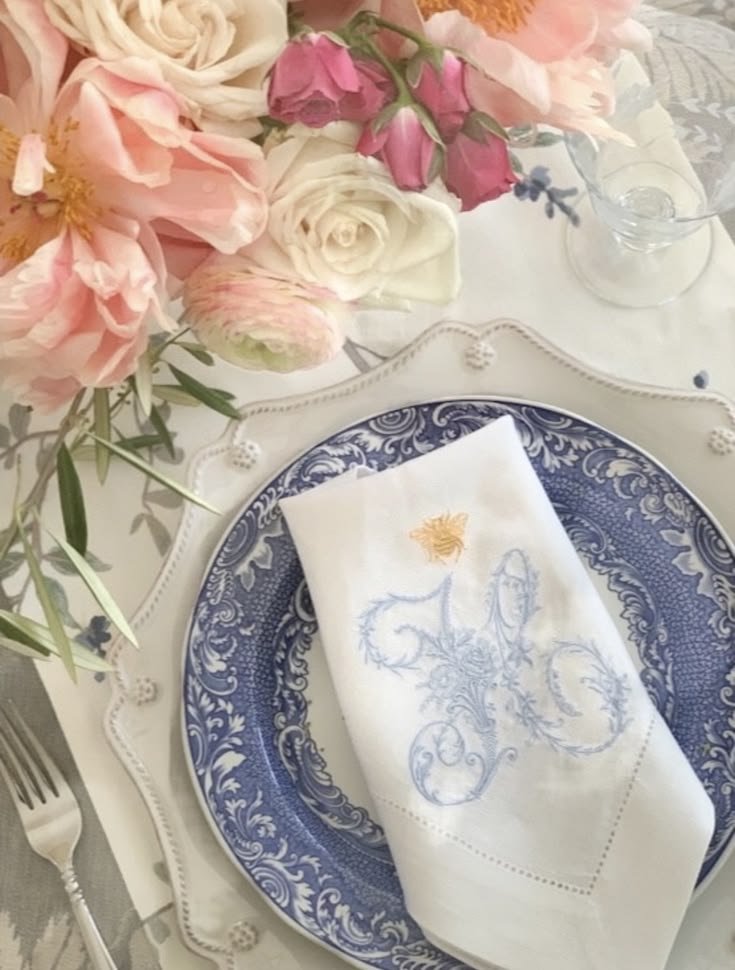
The holiday table is often one of the most memorable experiences you will have when growing up. Family and friends gather to tell stories and share in the festivities of the holidays. The use of both modern and vintage linens often promote feelings of deep family ties of today and remind us of the fond memories of the days gone by.
Over time, luxurious table linens have fallen by the wayside due to the stress they often evoke when considering the time required to care for them properly.
Today, when wandering through any vintage store, it isn't unusual to come upon exquisite linens used by our mothers or grandmothers from years past. They are often embroidered with flowers or have a hand-stitched weave attached to the hem of the tablecloth or napkin. They were cherished treasures that came out only on special occasions with deep meaning and traditions associated with them.
When I do spot them sitting secluded in a corner of an antique shop, I am often beckoned to go over, gently touch the soft, worn material, and admire the intricate artistry that created their beauty. I absolutely adore linen! These linens are our family heritage, and what's more wonderful than having them in our homes to remind us of our fondest memories.
Thankfully, there is an upsurge in purchasing these vintage linens as wedding gifts today. I am hearing more and more every day about brides wanting to have these to hand down to their children.
But the stress that one feels when even thinking about how difficult and time-consuming it can be to prepare these linens for our holiday tables makes us want to run the other way.
Who has time!
Well, with just a little planning, you can master the art of using your family linens for any of your special occasions. In fact, you can use them every day if you like. Let me give you some helpful hints on how to do just that.
If you'd like the longer story of where linen comes from and how to layer it, I wrote about that here: [The History of Linen, and How to Layer It Like a Designer].
Linen vs Cotton: Why Linen Costs More
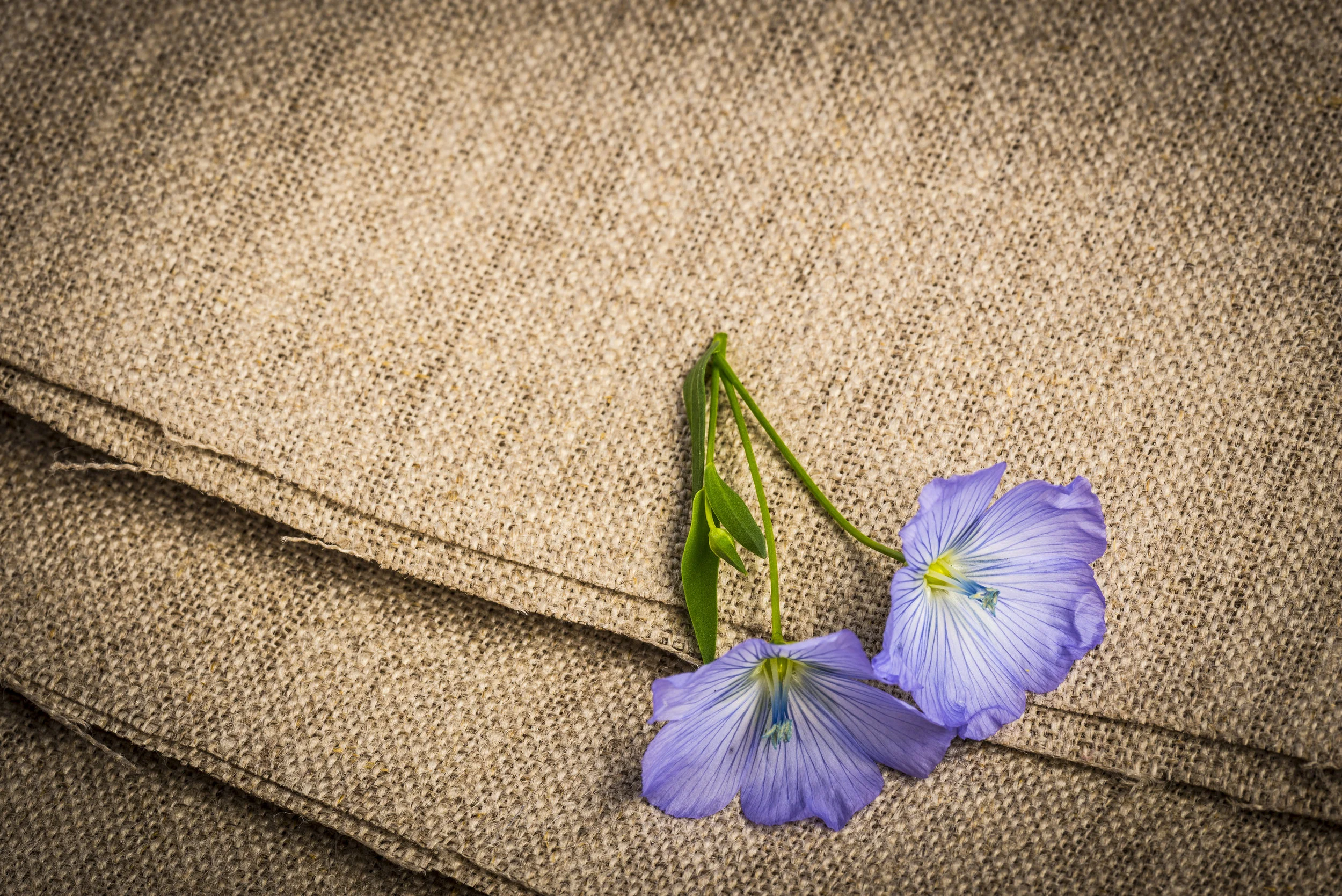
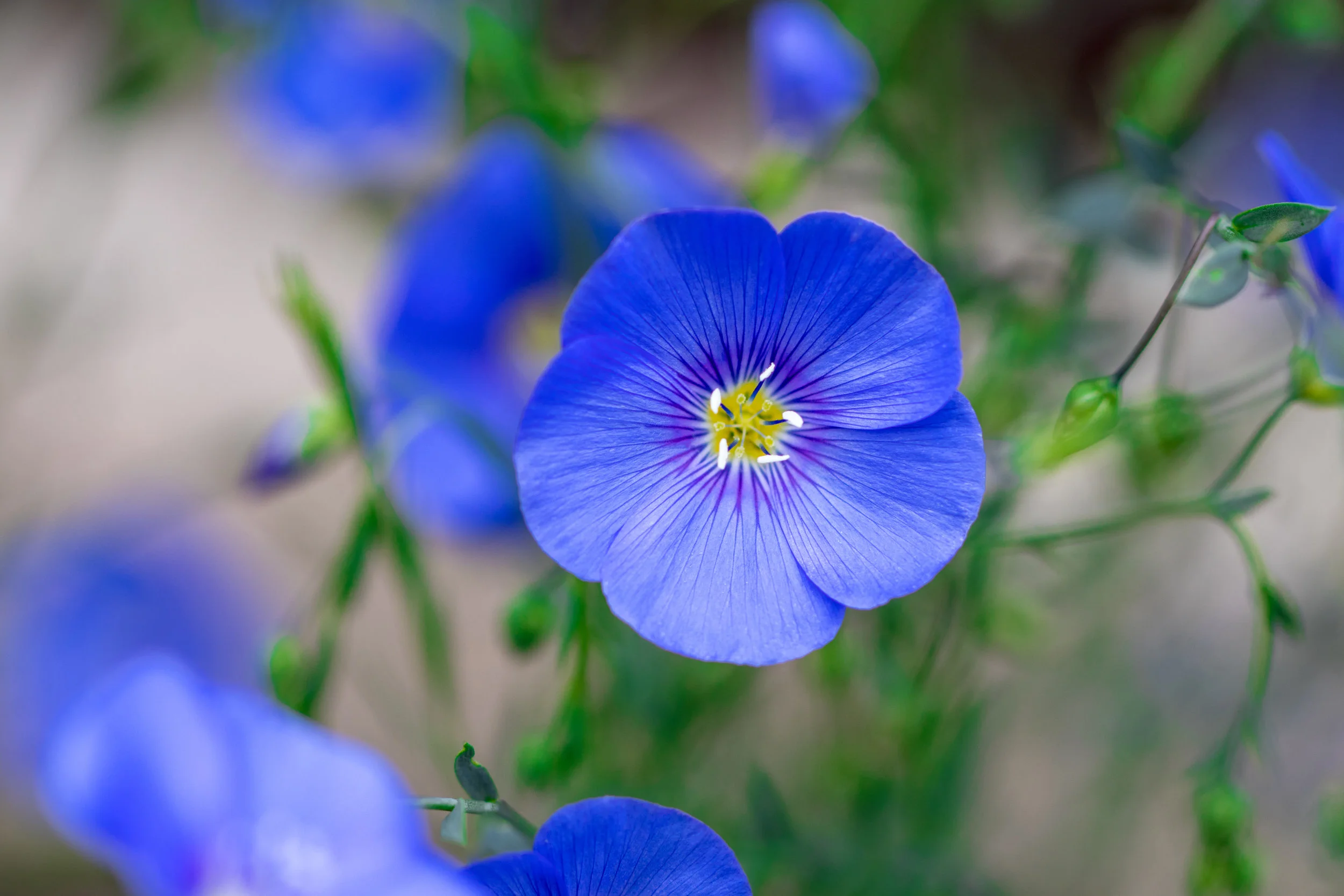
Linen fabric has been used for table coverings for centuries. Today, the high cost of linen derives not only from the difficulty of working with the thread, but also because the flax plant itself requires a great deal of attention. In addition flax thread is not elastic, and therefore often threads break when weaved. Thus linen is considerably more expensive to manufacture than cotton.
How to Select a Quality Linen Tablecloth
There are different qualities of linen and depending on how they are grown and harvested will determine the type of linen you will purchase in the end. As stated, linen fibers are harvested and then woven into fabric. During these mechanical processes, the fibers are separated from the straw (shives), and then graded into the short fibers (tow), which are used for coarser yarns, or the longer fibers (line), which will be used to create the finest linen yarn. Good quality linen products will show no signs of breakage throughout the material.
If you run your hand on the fabric and visibly see that the linen is free of any small fragments of fiber, that is generally telling of a good linen product. Quality linen costs more because of the arduous process of hand-selecting the long fibers and weaving them into a finer product. In the end, though, the product's quality and elegance outweigh the cost.
How to Care for Linen: Washing, Drying, and Ironing
Despite what most people think, linen is an extremely durable material and can withstand heavy use. They are resistant to abrasion, but you need to be careful not to fold and iron them in the same place repeatedly over time, since the fibers are susceptible to breakage.
How to Wash a Linen Tablecloth
Unlike cotton, linen becomes softer and more luxurious the more you wash it. When laundering, bleach can damage the fabric, so never use it. Use a mild household laundry detergent and wash them as you normally would with the rest of your wash, in cold or warm water. You can clean linen in three different ways: dry-clean, machine wash or steam-clean. If you do send your linens out for laundering, I would just be sure that they do not use bleaches in their process.
How to Dry Linen
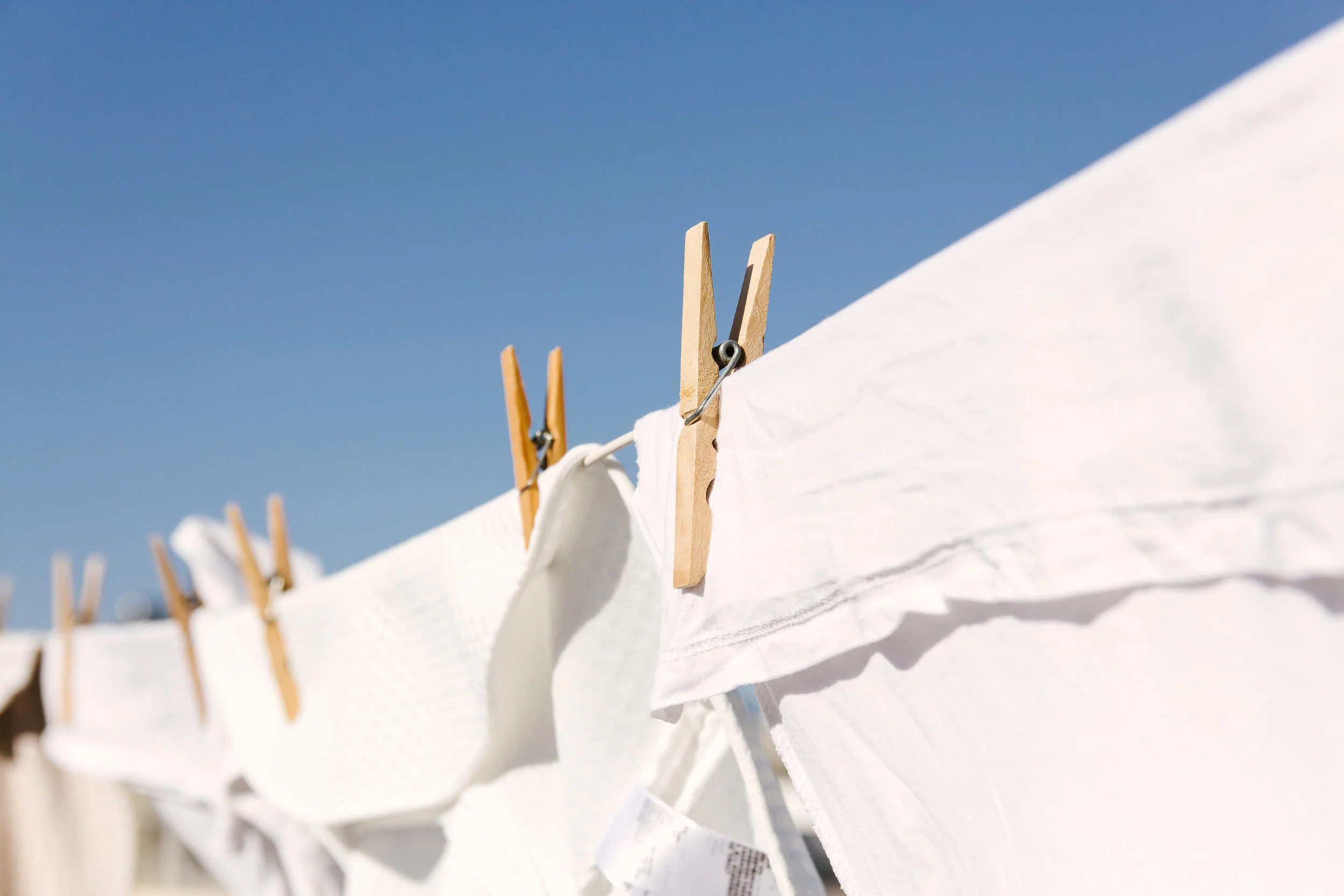
When drying linen, the preferred method is to hang it either outside or inside to air-dry naturally. You can also tumble dry on a low heat and stop the process before they are completely dry. Although very resistant to high heats, drying linens completely can create more wrinkles to the material. By stopping the drying process early, you can fold or roll them for storage and prevent large amounts of wrinkling.
How to Iron Linen
It is not necessary to iron linen at all. That's completely up to you. It has actually become fashionable to have a more rustic, organic look. If you are a fan of well-pressed linens, it is much easier to accomplish if your linen is damp when ironing. If you find that the material is completely dry, spray it with water and use a high setting (cotton) when ironing. Be sure your iron is clean before ironing, as sediment can stain or spot your material if you're not careful.
The very first and foremost thing to remember is that the tendency for linen to wrinkle is considered appropriate and should be admired as part of its character and charm. My advice is not to get too caught up in each and every wrinkle.
How I Prepare My Holiday Table Linens
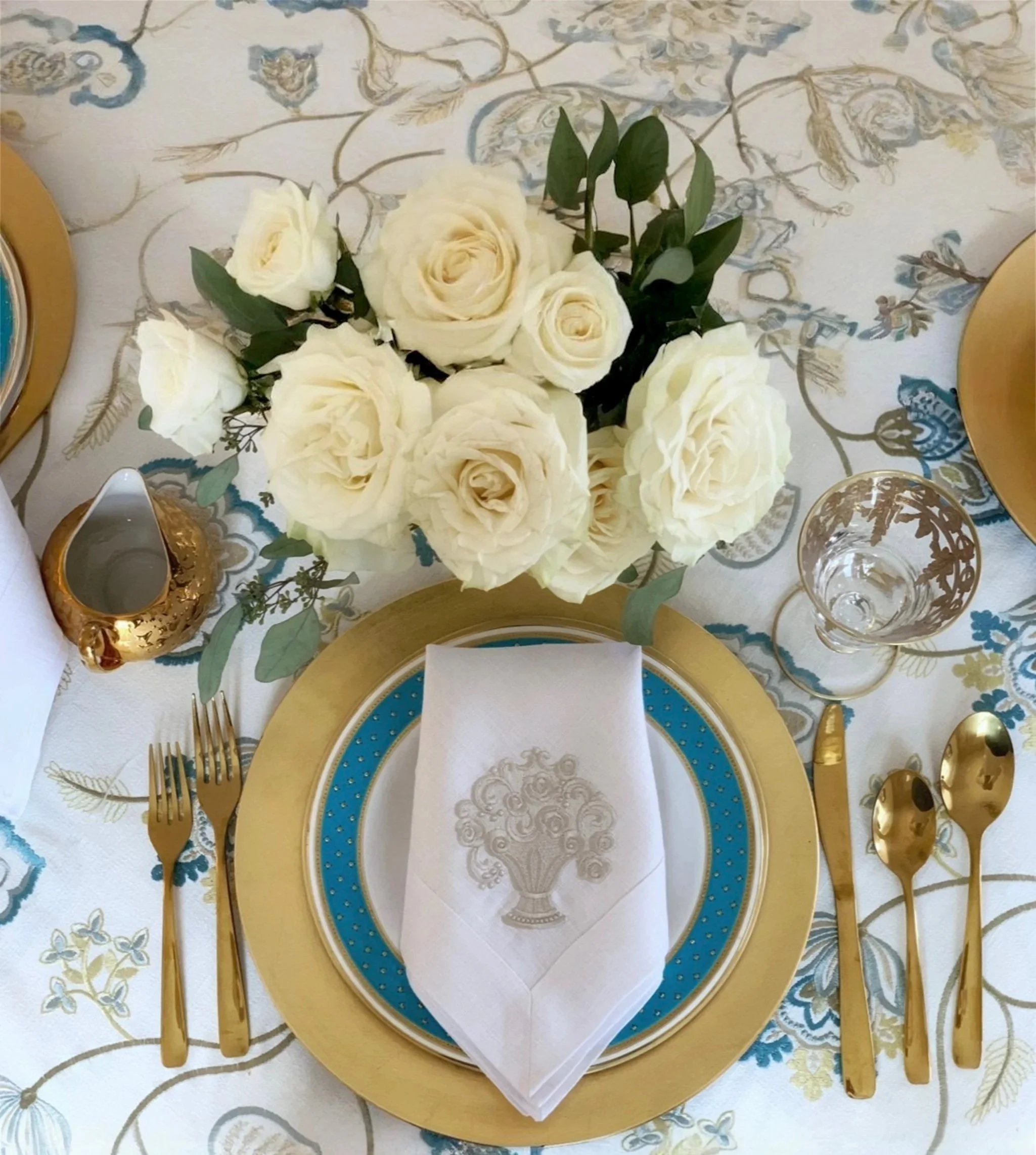
About a month before the holidays, I plan which linens I will use. I love to use my family's vintage tablecloths and napkins as well as new ones I've purchased throughout the years. The juxtaposition of the old and new gives a sense of warmth and comfort.
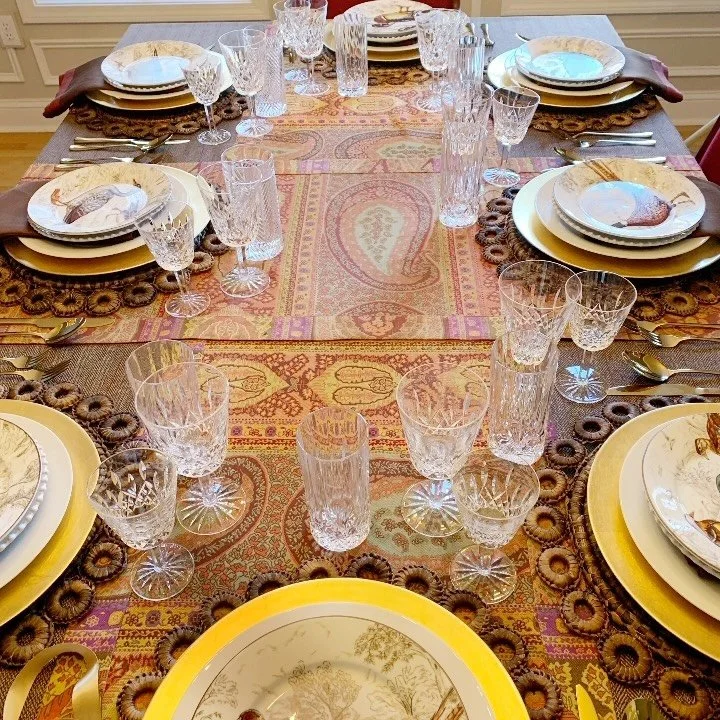
I select small and large tablecloths of different sizes since I often like to layer them on top of one another for a more textured, fuller look. I may have a few white tablecloths that will cover the table completely and drape almost to the floor, and then I'll layer another on top, using one that is special only for Thanksgiving or another holiday, depending on the occasion.
Another way to use the tablecloth is to place a smaller white cloth over a larger one, which creates a richer, more luxurious look. Don't be afraid to mix and match or to turn one on an angle if it doesn't fit the table fully.
The theme here is don't get too fussy. Get creative and put your personality into creating a table that is perfect just for you and your guests.
Once I've selected which ones I want to use, I send my tablecloths out to the dry cleaners to be cleaned and pressed. I like to send them out for two reasons.
First Reason: When I send them out, they do a great job! Plain and simple. I entertain a great deal throughout the holidays, and it's just one thing I no longer have to think about. They come back each on a heavy hanger, nicely laundered and ironed, just waiting to be used. I hang them in my closet for storage until I need them.
Second Reason: Honestly, sending out my linens helps reduce my stress level. With so much to do during the holidays, just having my linens cleaned and pressed ahead of time is a big help. Of course, if you are the person who doesn't mind an organic and natural look to your linens, there is no reason to send them out at all.
How to Use Linen Napkins
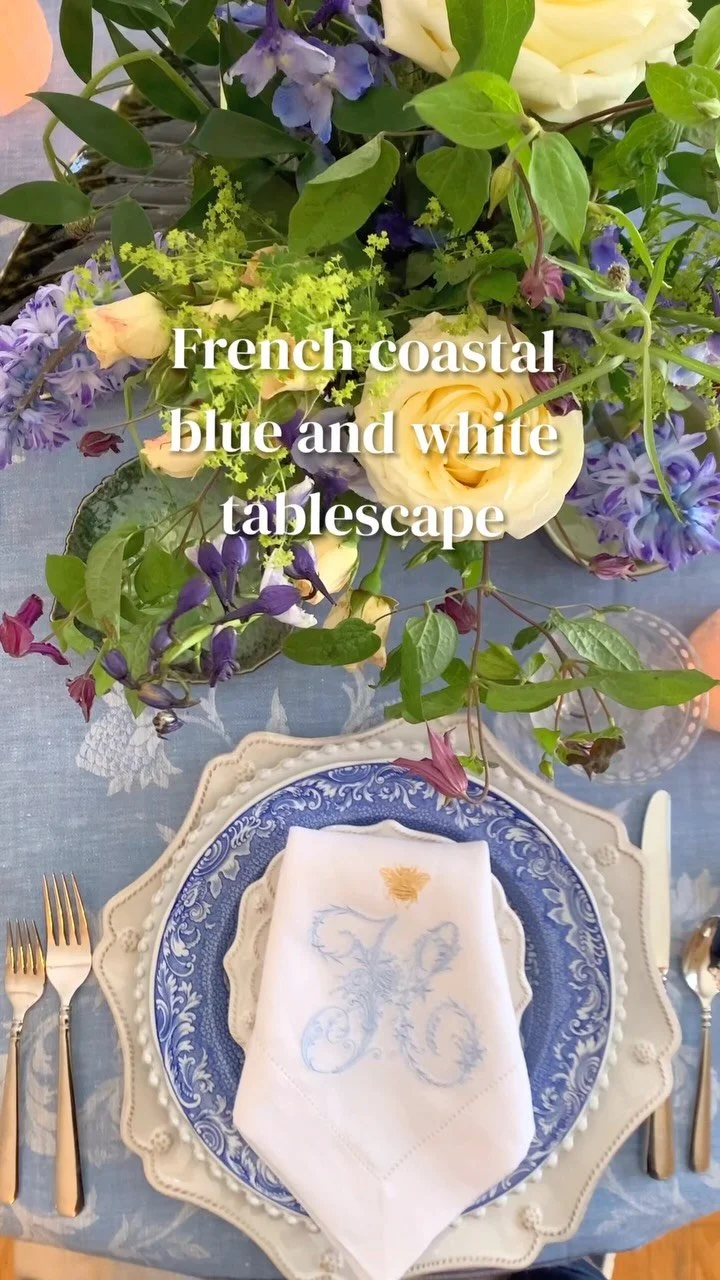
As for my linen napkins, I generally like them to take on a more casual, organic look when paired with a pressed tablecloth. I often use my napkins even when I don't use a tablecloth. I think using vintage napkins is such a nice touch when entertaining, and it's just one of the ways I like to show my guests that they are special.
How to Remove Stains From Linen
Once I am done using my tablecloths and napkins, I put them in the washing machine and wash them as usual. If I see that any have gotten wine or pasta sauce on them, I generally will pre-treat them using my household laundry detergent (just the stain) and then launder as usual.
And if a stain never comes out, don't give up the tablecloth. Lay something over it, a runner, a second cloth, a bowl. No one will ever know, and you get to keep using a linen you love.
Bring Your Linens Back to the Table
Holidays should be filled with rich memories of days gone by. The use of family linen heirlooms is one of the best ways to bring tradition back into your home and to encourage the creation of special memories of your very own. A family deeply ingrained in their heritage brings warmth to the modern table with smiles from long ago. Go ahead and get creative, and don't forget to enjoy the process along the way.
Design with the Heart™
À bientôt,
Mary