Design with Your Heart: A Mantra Loved for Creating Warm and Inviting Spaces for Family and Loved Ones

Source: Adobe Photos
I love to sign all of my work with "design with your heart." This phrase has a deep meaning to me, tied to my love for family and loved ones. It is also a reminder that empathy should be at the core of interior design.
When we design with our heart, we focus on creating spaces that make us happy and create a warm and inviting atmosphere. We consider the needs and wants of the people who will be using the space, and we strive to create a space that is both functional and beautiful.
We also think about the things that are truly important in our lives. For me, that means creating spaces where people can come together to connect and share love. It means creating spaces where people can feel comfortable and relaxed. It’s where we will play and grow whether a child or adult.
Design with your heart is not just about creating aesthetically pleasing spaces. It is also about creating spaces that have meaning and purpose. It is about creating spaces that reflect our values and our love for the people in our lives.
Here are some tips for designing with your heart:
Start by thinking about the people who will be using the space. What are their needs and wants? What activities will they be doing in the space? What kind of atmosphere do they want to create?
Consider your own values and priorities. What is important to you? What kind of environment do you want to create in your home or workplace?
Don't be afraid to be creative. There are no rules when it comes to designing with your heart. The most important thing is to create a space that you love and that makes you feel happy.
Use natural elements. Natural light, fresh air, and plants can all help to create a warm and inviting atmosphere.
Choose materials and finishes that you love. The materials and finishes you choose can have a big impact on the overall feel of a space.
Add personal touches. Photographs, artwork, and other personal items can help to make a space feel more inviting and welcoming.
There has been a growing trend towards more empathetic interior design. Designers increasingly recognize the importance of creating aesthetically pleasing, functional, inclusive, and sustainable spaces. Empathy allows designers to deeply understand their clients’ needs and experiences.
Here are a few examples of how empathy is being incorporated into interior design:
Biophilic design: Biophilic design is an approach that focuses on connecting people with nature. This can be done using natural materials, biomimetic patterns, plants, and greenery. Biophilic design has been shown to have several benefits for human health and well-being, including reducing stress, improving mood, and boosting cognitive function.
Children are particularly sensitive to the benefits of biophilic design. A study by the University of Minnesota found that children who spent time in a classroom with natural light and plants had better attention spans and fewer behavioral problems than children who spent time in a classroom without these features.
Another study, by the University of Exeter, found that children who had access to green space at home were less likely to develop mental health problems later in life.
There are many ways to incorporate biophilic design principles into spaces for our home.
Here are a few ideas:
Use natural light and fresh air whenever possible.
Incorporate plants into the design.
Use natural materials and finishes.
Create a variety of spaces for different activities.
Use colors and patterns that are inspired by nature.
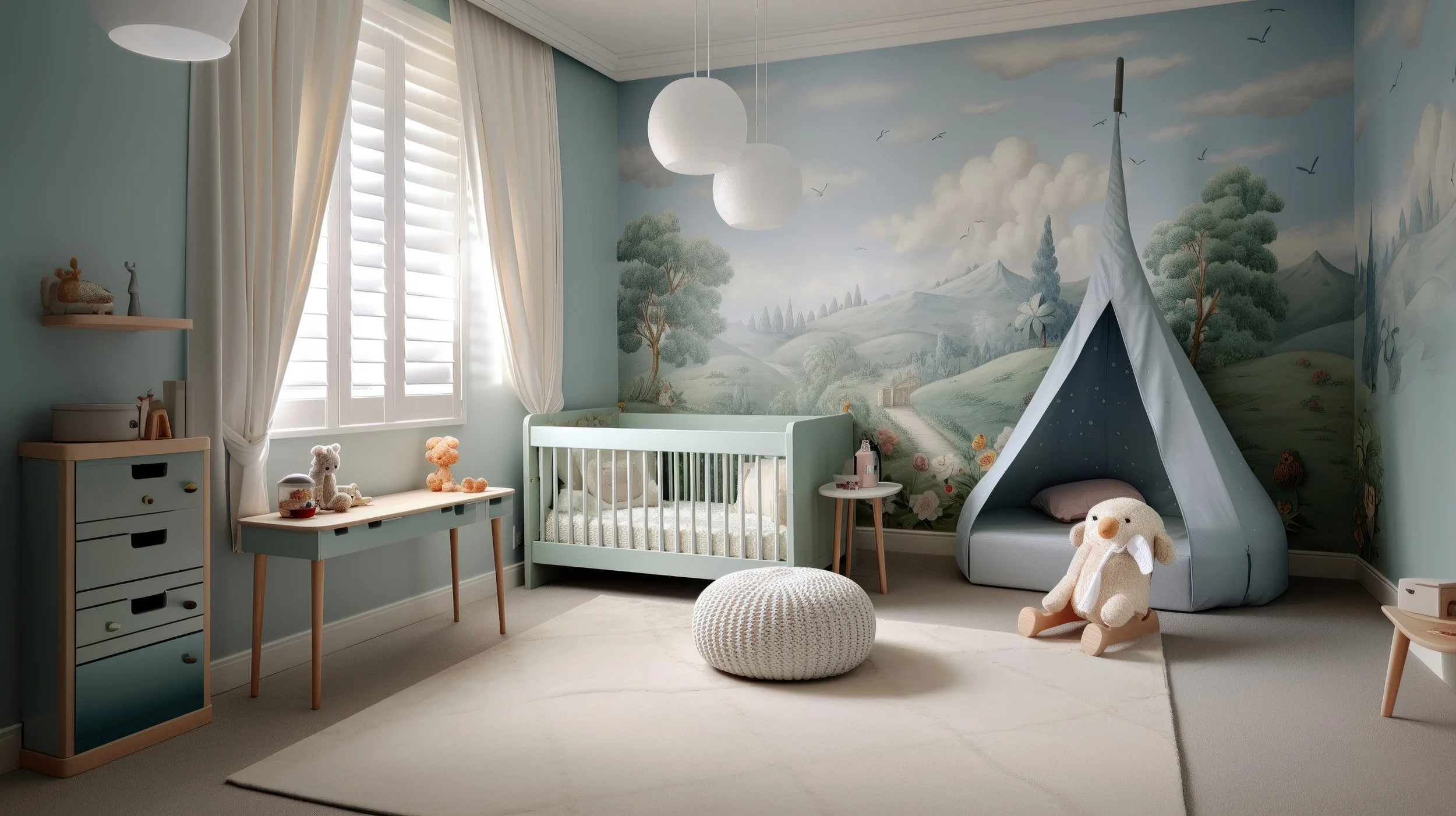
Human-centered design: Human-centered design is an approach that focuses on the needs and experiences of the people who will be using a product or service. This approach is increasingly used in design, including in architecture, interior design, and product design industries. Human-centered design allows designers to create products and environments that are genuinely tailored to the needs of their users.
Here are some specific ways that human-centered interior design can benefit our wellbeing and family life:
Reduced stress and improved mood: A well-designed home can be a calming and restorative oasis. This is especially important in today's fast-paced and often stressful world. Human-centered interior design principles such as using natural light, incorporating plants, and creating comfortable spaces for relaxation can all help to reduce stress and improve mood.
Boosted productivity: A well-designed home office or workspace can help us to be more productive. This is because human-centered interior design takes into account factors such as ergonomics, lighting, and noise levels to create spaces that are conducive to concentration and focus.
Improved sleep: A well-designed bedroom can help us to get a better night's sleep. This is because human-centered interior design principles such as creating a dark, quiet, and cool space can all help to promote relaxation and sleep.
Enhanced social interaction: A well-designed home can encourage social interaction and family bonding. This is because human-centered interior design principles such as creating multiple spaces for gathering and playing can help to bring people together.
Improved accessibility: Human-centered interior design also takes into account the needs of people with disabilities. This means that spaces are designed to be accessible to everyone, regardless of their physical abilities.
Overall, the trend towards more empathetic interior design is a positive one. It is a sign that designers are becoming more aware of the impact of their work on the people who use their spaces.
Design with your heart and create a space that you will love spending time in.

Source: Jenn Madore
“May your home be a place where friends meet, family gathers, and love grows. ”
As with everything I post on my blogs, please feel free to comment, or if you have any questions, please email me through my contact page. I welcome it anytime!
Design with your heart™️
Happy decorating, my friends!
Mary